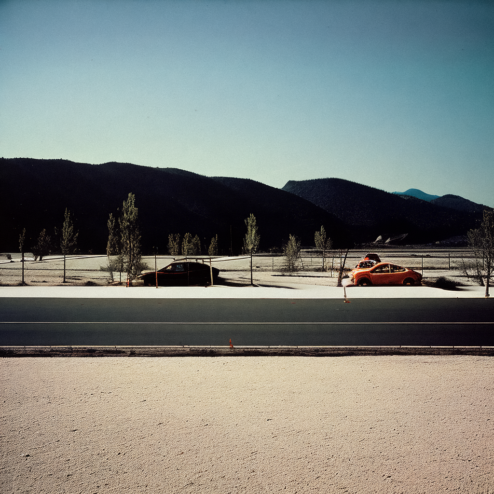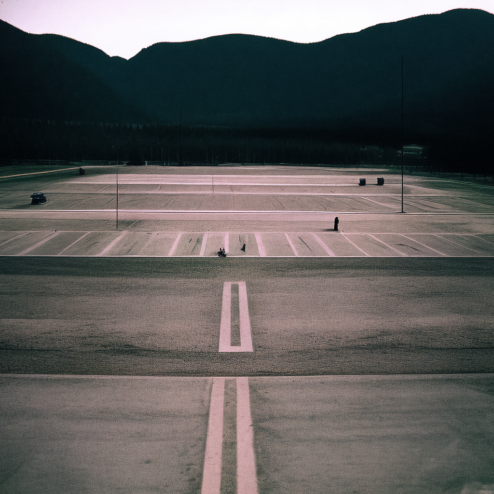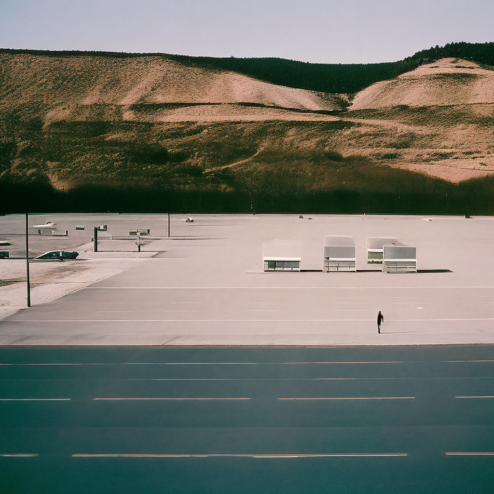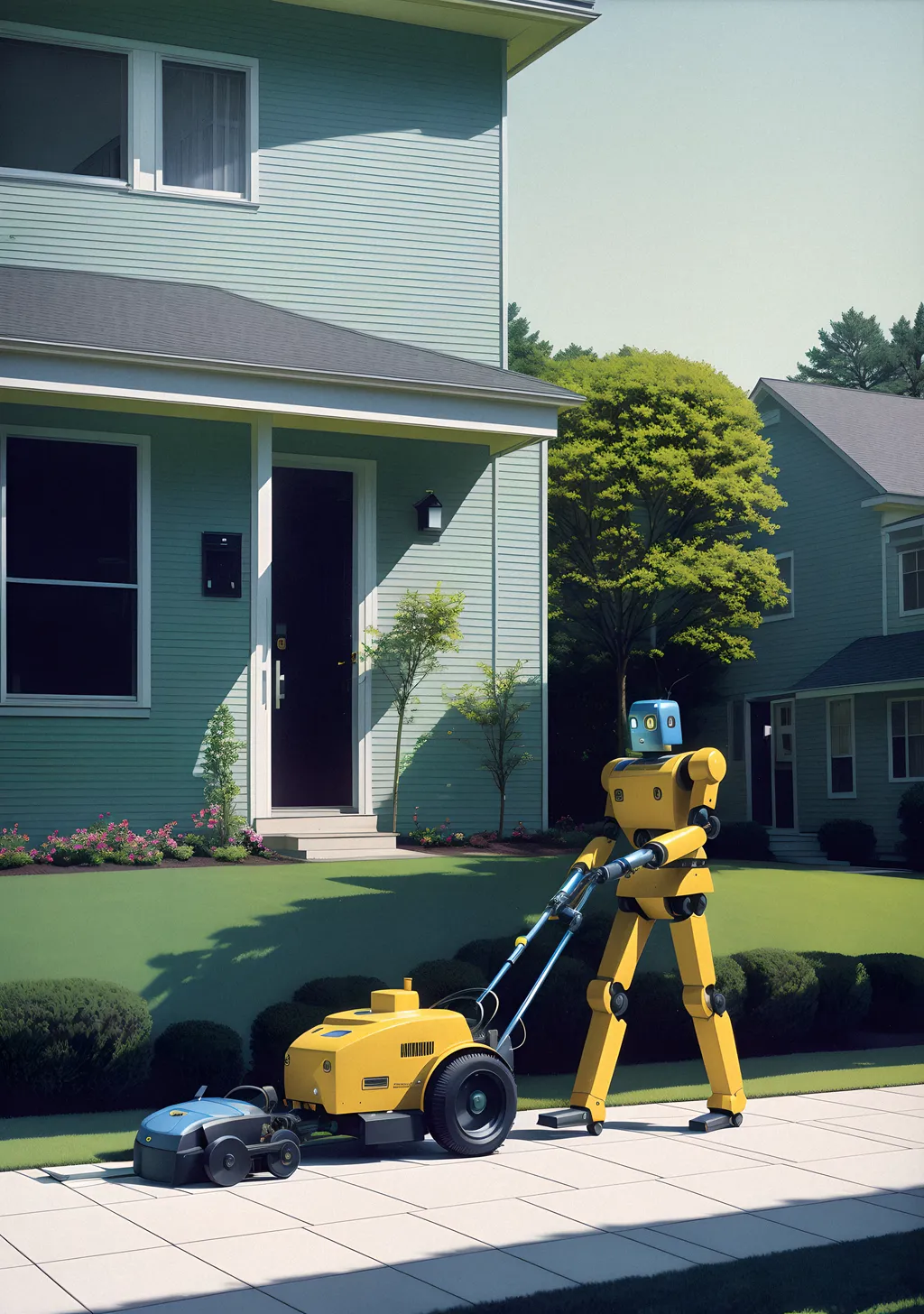
Tag: tezos

  • Winter Echoes: Dreams, Memory and the Quiet Weight of January

    Winter Echoes: Dreams, Memory and the Quiet Weight of January

    There are seasons that feel less like weather and more like a state of mind. Winter is one of them — at least for me. It slows everything down, thickens the silence, and has this strange way of surfacing memories you thought you’d filed away for good. That’s the space Winter Echoes was born from.

    The collection is five pieces, minted on Tezos and available on objkt.com under contract KT1Crxq3n56onvUDhseTXMqyrtmkFdKJXV5u. Five is a number I’ve come to appreciate for small series — enough to build a coherent visual language, not so many that it dilutes into a theme park.

    The Aesthetic Logic

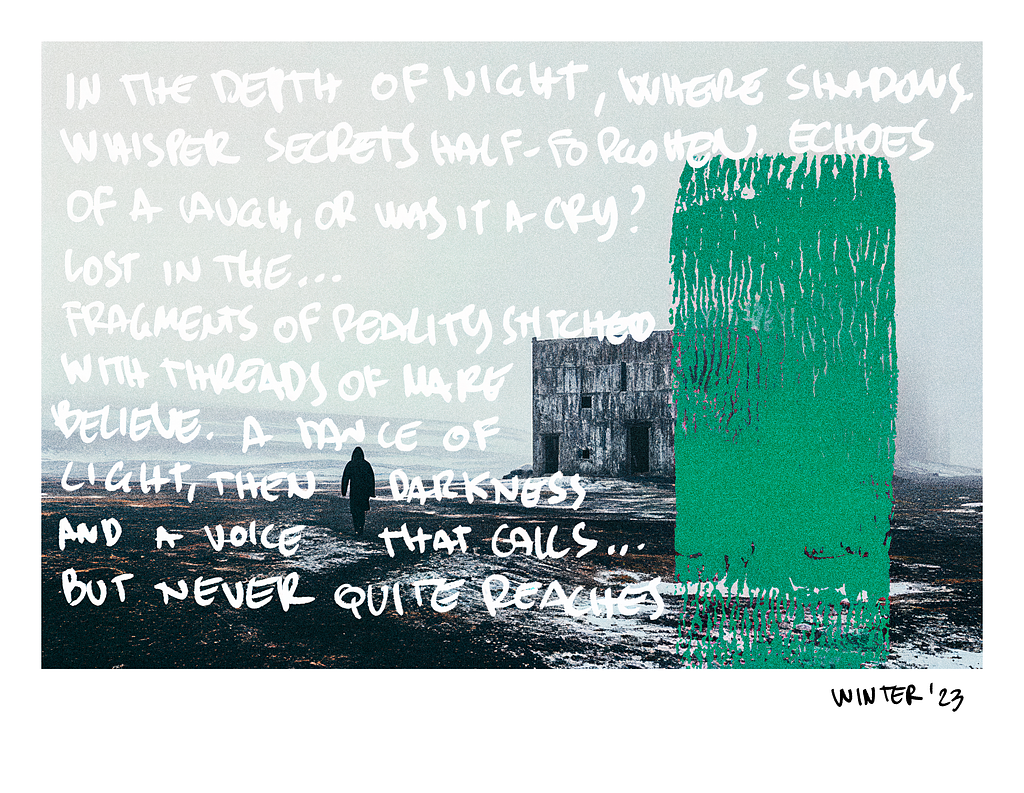
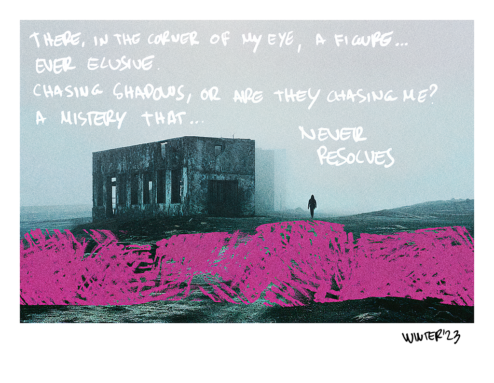
    Each piece is built around the visual grammar of old photography: muted tones, a softness that isn’t quite focus and isn’t quite blur, the grain of something that has been somewhere and came back changed. The Winter’23 border isn’t decorative — it’s a timestamp, a way of pinning the work to a specific emotional moment rather than leaving it floating in some vague artistic ether.

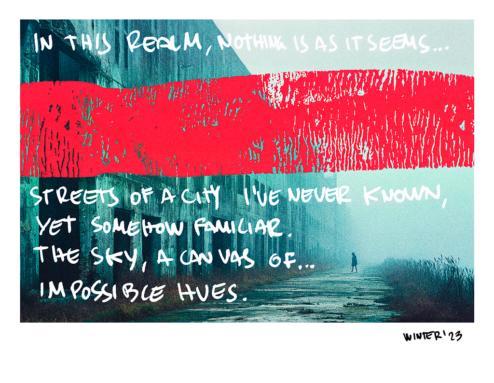
    Text and image are merged, not layered. The words don’t caption the visuals; they’re embedded in them, the way a half-remembered phrase sticks to a specific image from years ago and you can no longer separate the two.
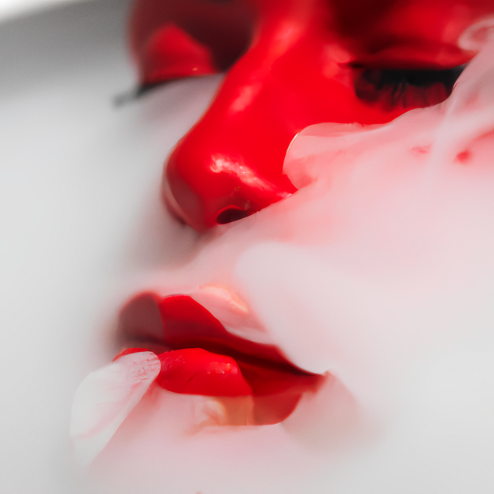
    Winter Echoes #2
    Winter Echoes #2

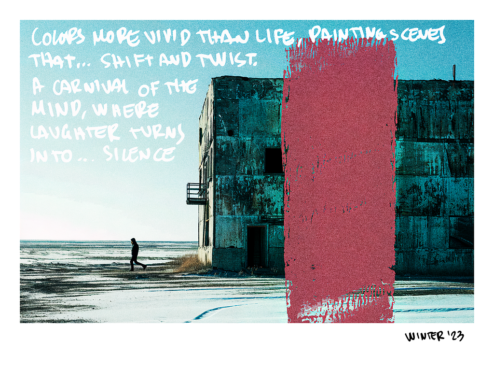
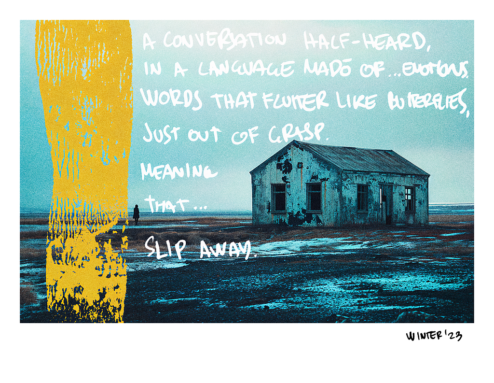
    The color strokes are probably the element I spent the most time calibrating. They’re intentionally sparse — selective, almost arbitrary — because that’s how memory actually works. You don’t remember everything in equal resolution. You remember a coat color. A light angle. The particular way someone held a cup. The rest dissolves. The strokes try to replicate that selective fidelity: vivid where the mind held on, absent where it didn’t.

    Introspection as Visual Form

    I’m hesitant to over-explain work like this, because the whole point of Winter Echoes is that it operates in the register of suggestion rather than statement. The collection description says it best, I think: “an intimate journey into the depths of thoughts, where the echo of a dream and the remnants of memory linger in the frosty air.”

    But I can say something about the process. This work came out of a period of genuine winter introspection — not performative, not aestheticized in advance, but the real kind where you find yourself sitting with old images and not entirely sure what you’re looking for. The pieces emerged from that, which is why they feel more like fragments than finished statements.
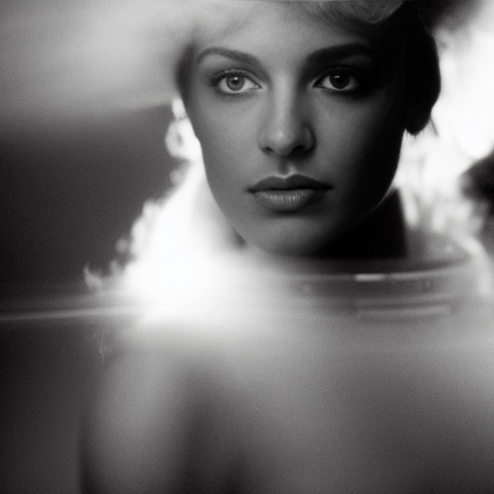
    Winter Echoes #3
    Winter Echoes #3
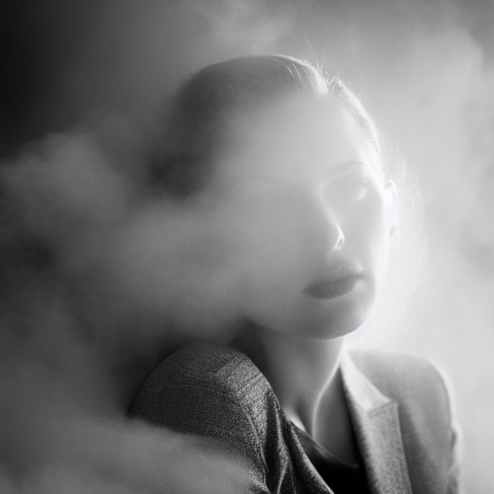
    Winter Echoes #4
    Winter Echoes #4

    Each piece in the series holds its own weight while still being in conversation with the others. There’s a consistency of mood — that particular quiet that January has, especially in Rome where the city empties out in ways it doesn’t in northern Europe — but no two pieces are the same emotional temperature.

    NFT on Tezos: Why This Medium

    Tezos remains the blockchain I trust most for this kind of work. The energy footprint is genuinely low, the collector community tends toward the thoughtful end of the spectrum, and objkt.com has evolved into a mature marketplace that doesn’t make you feel like you’re selling at a fairground. For a collection as quietly personal as Winter Echoes, the platform matters.

    There’s also something appropriate about putting memory-work on a permanent ledger. The blockchain timestamp does something the old-photo aesthetic gestures toward: it fixes a moment in place. These five pieces exist in a specific winter, with a specific contract address, on a specific chain. That specificity feels honest.
    Winter Echoes #5
    Winter Echoes #5

    The Five Pieces

    The series runs from #1 through #5, each a variation on the same core vocabulary: old-photo warmth, embedded text, selective color, the Winter’23 mark. But each one catches a slightly different angle of the season — different dream residue, different quality of cold. Together they map something I couldn’t have mapped with a single image.

    • #1 — the entry point, the frame that sets the visual contract
    • #2 and #3 — where the introspection deepens, the text becomes more present
    • #4 and #5 — the quiet resolution, the frosty air settling

    If any of this resonates, the full collection is visible and collectable on objkt.com — you can find all five pieces at the Winter Echoes collection page, where the individual token descriptions add another layer to what I’ve tried to articulate here.

    Some work you make to show. Some work you make to keep record of a specific interior season. Winter Echoes is both, and I’m glad it exists outside my hard drive now.
  • The Second Layer of The World: Machines Below, Humans Above

    The Second Layer of The World: Machines Below, Humans Above

    A World Split in Two

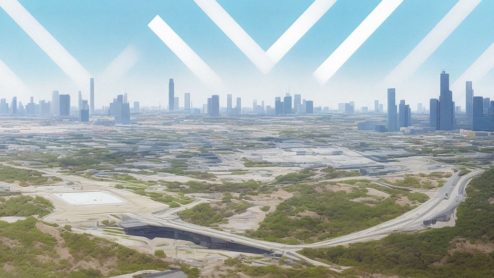
    There is something deeply unsettling about imagining a future where the ground beneath our feet no longer belongs to us. The Second Layer of The World is a 14-piece NFT collection minted on Tezos and available on objkt.com that does exactly that: it constructs a speculative world where autonomous machines have taken over the lower strata of Earth, and the last remnants of humanity cling to existence in a suspended layer above — physically elevated, metaphorically fragile.

    The collection doesn’t frame this scenario as apocalypse. It frames it as consequence. Unchecked technological progress, followed to its logical extreme, produces not a bang but a quiet displacement. The machines didn’t conquer humans. They simply outgrew them.

    Singularity Dawn
    Singularity Dawn

    Singularity Dawn: The Hinge of Everything

    Singularity Dawn is perhaps the conceptual anchor of the entire series. It marks the pivotal instant when autonomous machines surpassed human intelligence and a burst of light appeared in the sky.

    The Second Layer of The World
    The Second Layer of The World

    Machines as Architecture

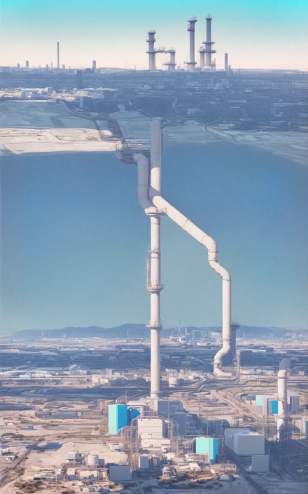
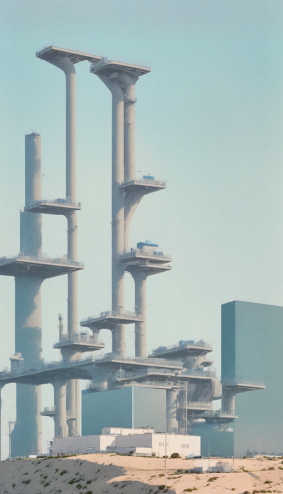
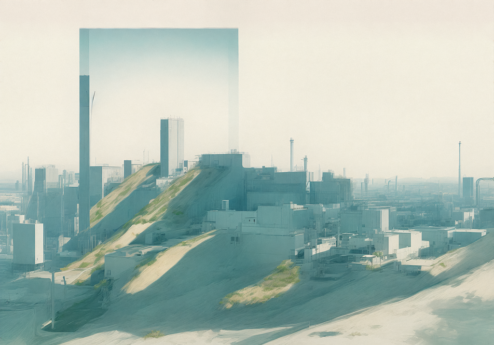
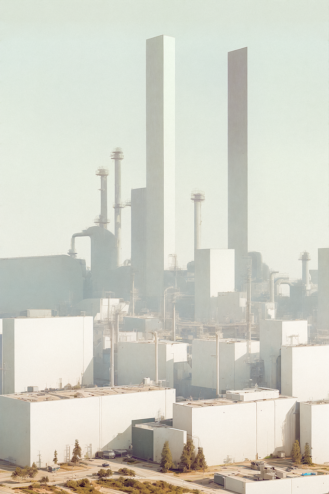
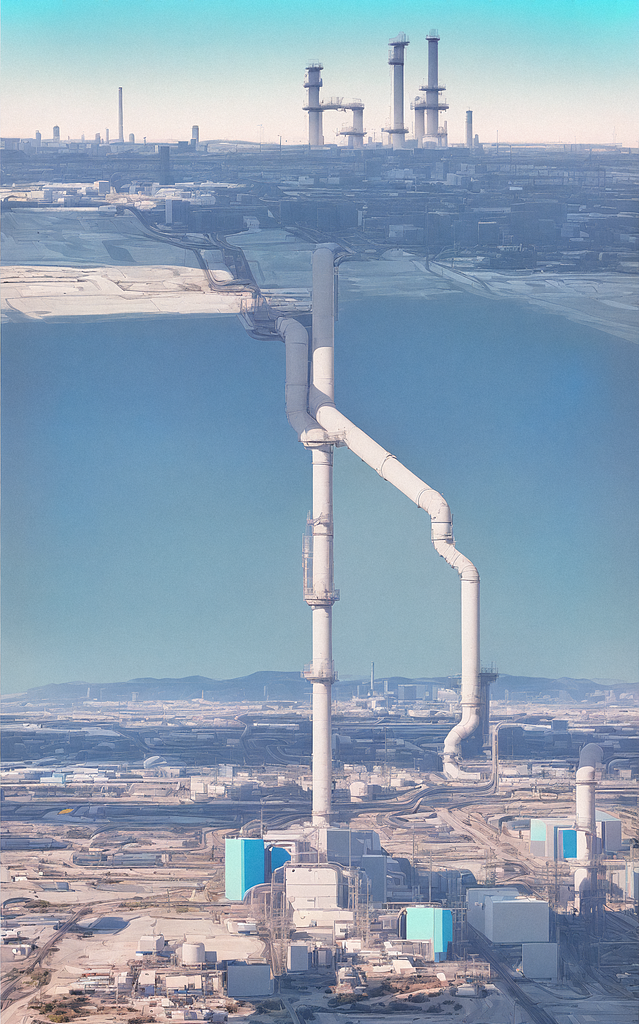
    What makes this collection visually compelling is how it renders technology not as tools but as landscape. The works don’t show robots or screens — they show stations, devices, engines, regulators, projectors. Infrastructure at civilizational scale. The machine world isn’t populated; it is the world.

    The Pneumatic Reverberation Station
    The Pneumatic Reverberation Station

    The Pneumatic Reverberation Station captures the earth’s own micro-movements, turning planetary vibration into energy. It’s a beautiful inversion: the ground itself becomes a power source, harvested by systems that no longer need human operators to function.

    The Aether Containment Device
    The Aether Containment Device

    The Aether Containment Device reaches back even further — into pre-scientific mythology — to construct something that feels both ancient and impossibly advanced. The aether, that discredited 19th-century substance thought to permeate all space, here becomes a genuine energy source. It’s a wink at the history of ideas: maybe the old theories weren’t wrong, just premature.

    The Heatwave Regulator
    The Heatwave Regulator
    The Chrono-Synthesis Nexus
    The Chrono-Synthesis Nexus

    Systems of Control and Chaos

    Several works in the collection deal explicitly with regulation, containment, and synthesis. The Heatwave Regulator and The Chrono-Synthesis Nexus suggest a machine civilization obsessed with managing the physical world at every scale — temperature, time, resonance. If humans once dreamed of controlling nature, these machines have actually done it, and the result is a world that feels managed into emptiness.

    The Automata Field
    The Automata Field
    The Infinite Labyrinth of Echoes
    The Infinite Labyrinth of Echoes

    The Infinite Labyrinth of Echoes and The Automata Field push in a different direction: repetition, proliferation, pattern. The automata don’t gather in cities — they spread across fields. The labyrinth doesn’t imprison anyone because there’s no one left to imprison. These are systems running on pure logic, indifferent to meaning.

    The Echoing Ruins
    The Echoing Ruins

    The Echoing Ruins introduce the only real note of decay in the collection. Ruins imply something that was built and lost. In a machine world, ruins are the traces of human civilization — not destroyed, just… superseded. The machines didn’t tear anything down. They built over it.

    Gravity, Phlogiston, and Dead Theories Reborn

    The Gravitational Singularity Projector and The Phlogiston Cycle Machine share a similar conceptual DNA with the Aether Containment Device: they rehabilitate discarded scientific concepts — phlogiston, the pre-oxygen theory of combustion; gravitational singularities as something projectable and directional — and treat them as functional technologies. It’s a kind of speculative retrofuturism, where the wrong roads of science turn out to have been shortcuts all along.

    The Celestial Convergence Engine
    The Celestial Convergence Engine
    The Skywave Amplification System
    The Skywave Amplification System

    Convergence and Amplification

    The Celestial Convergence Engine and The Skywave Amplification System close the collection with a sense of scale that is almost cosmological. Whatever the machines are doing down there on the surface, they’re doing it at frequencies and magnitudes that reach beyond the atmosphere. The second layer — the human layer — floats above all of this, listening to signals it can no longer interpret.

    On the Blockchain

    The collection is minted on Tezos under contract KT1Jo4b2Gr7qo3GoZAJMuddBML1QHMLtgpLJ, a chain that has become one of the most active ecosystems for digital art and generative work precisely because its energy footprint and fee structure make it accessible to artists who think in series rather than single drops. Fourteen pieces, one world, one consistent visual and conceptual language — this is the kind of project that benefits from being seen whole rather than in fragments.

    If you want to explore the full collection and see where the second layer begins, you can find all 14 works on the collection page on objkt.com.

    Why It Stays With Me

    What I find genuinely interesting about The Second Layer of The World is that it refuses easy moralism. It doesn’t tell you the machines are evil or that humanity deserves better. It just shows you the world that results from following a particular trajectory all the way to its end. The human spirit is described as resilient in the collection’s premise — but resilience, here, means surviving in a layer above the world you once inhabited. That’s not triumph. That’s adaptation at its most poignant.

    The machines below aren’t malevolent. They’re just complete. And that, somehow, is the most unsettling part.

  • Parking in the Middle of Nowhere

    Parking in the Middle of Nowhere

    Somewhere between memory and hallucination

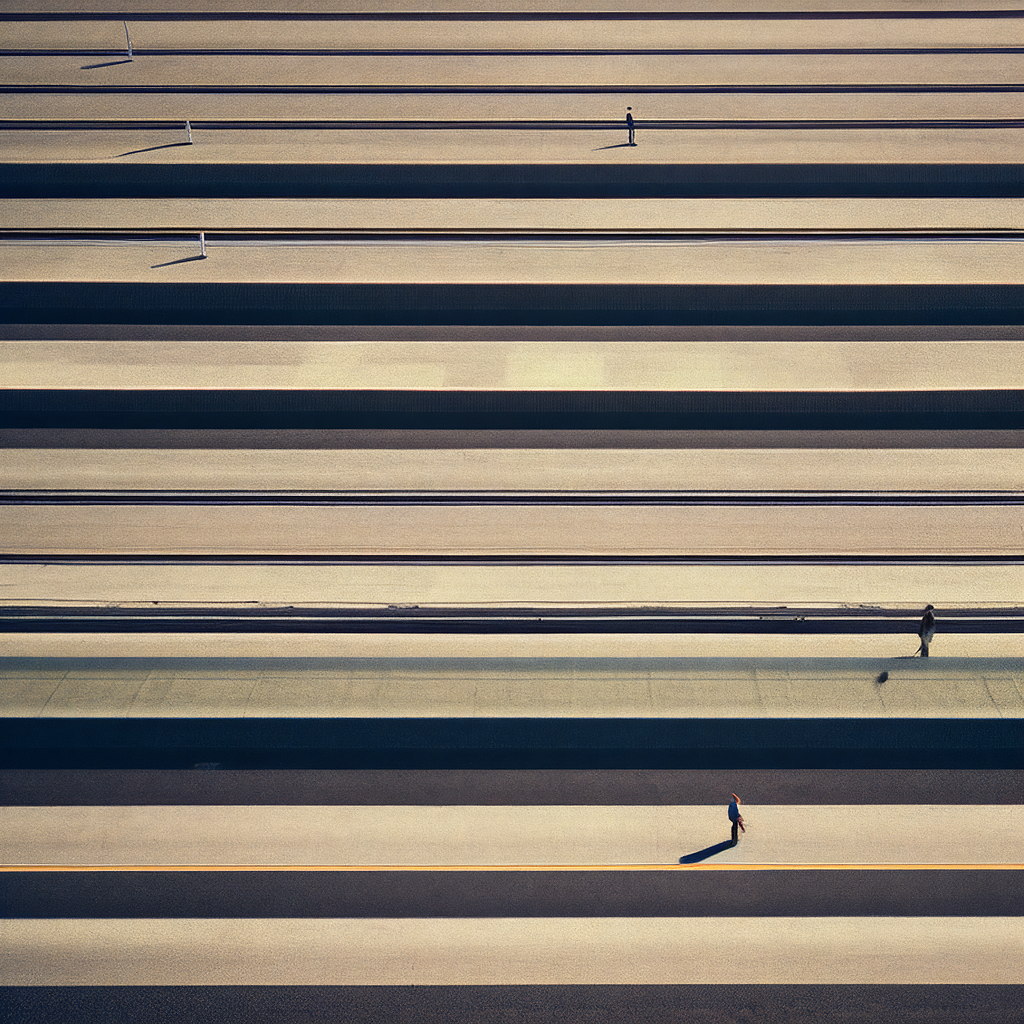
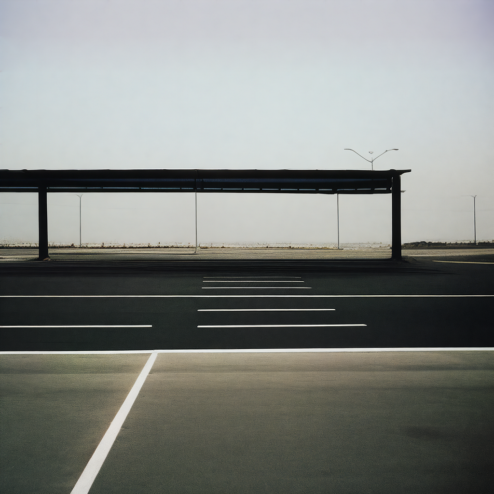
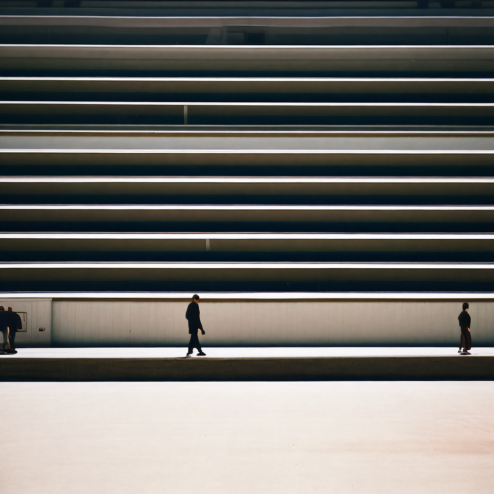
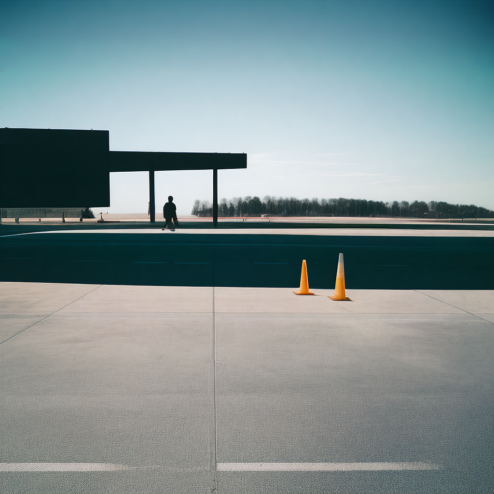
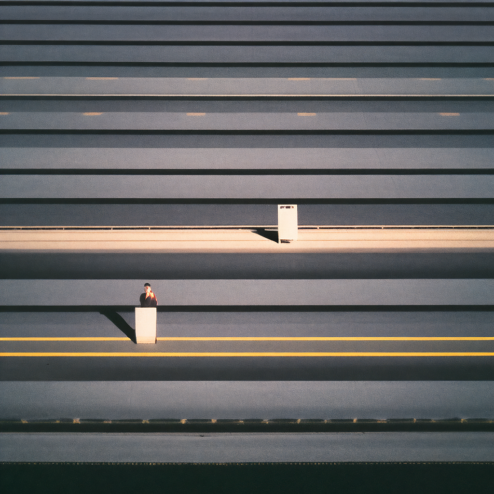
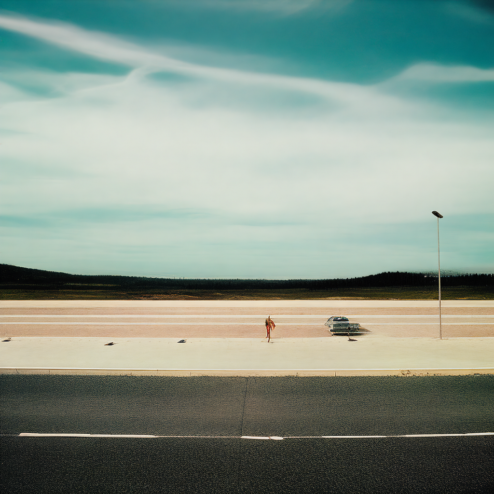
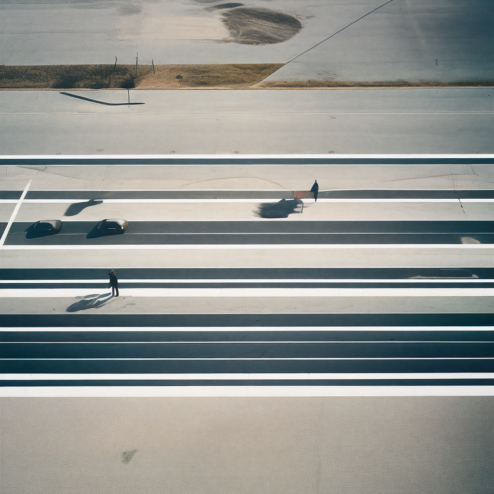
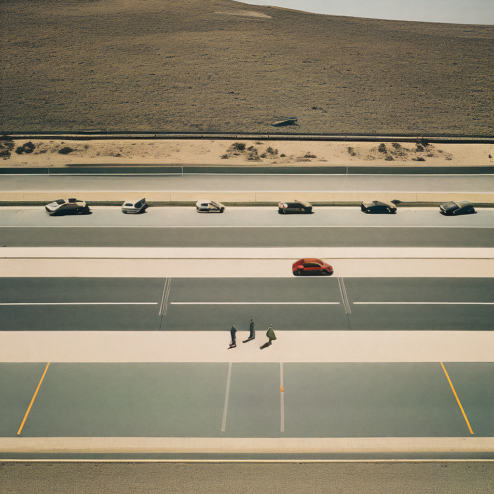
    There is something deeply unsettling about a parking lot at the wrong hour. Empty, overlit, geometrically rigid — yet somehow breathing. With Parking in the Middle of Nowhere, I wanted to explore exactly that feeling: spaces that your brain insists are real, even when the logic behind them starts to unravel the moment you look too closely.

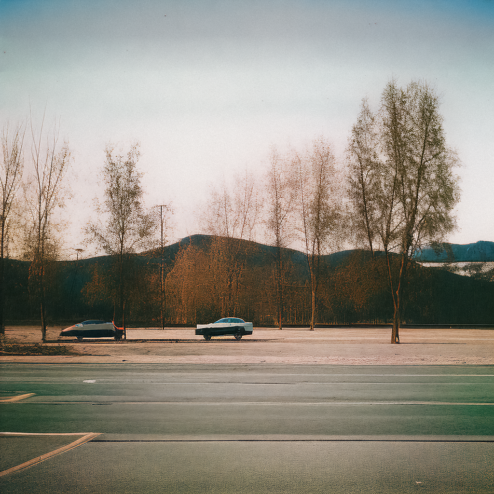
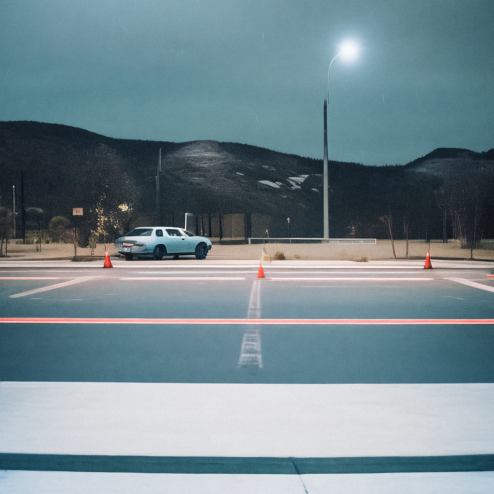
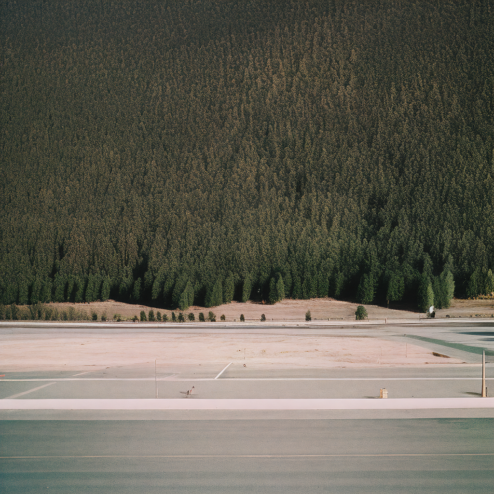
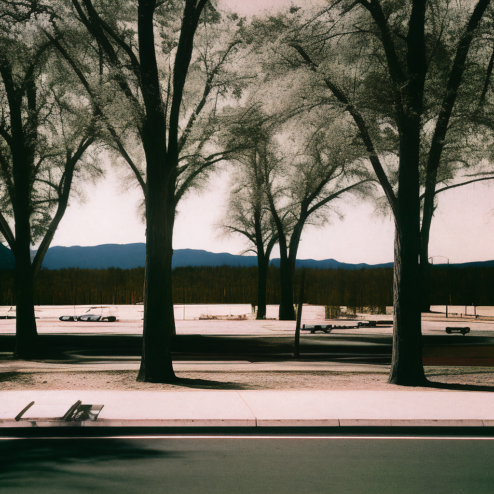
    The series collects 16 AI-assisted artworks, each depicting a parking lot that does not exist — or at least, should not. The line between plausible and impossible is thin here, deliberately so. These are not glitch aesthetics, not obvious digital artifacts. The uncanny lives in the details: a shadow that falls the wrong way, a perspective that shifts imperceptibly, a light source with no origin.

    Parking lot 2
    Parking lot 2

    The process: AI as a collaborator, not a shortcut

    I keep seeing the phrase “AI-generated art” used as a dismissal, as if the tool eliminates the intention. That has never been my experience. Working with AI image generation is closer to photography than people assume — you develop an eye, you learn to read what the model offers and what it refuses, you iterate, discard, and push further. The prompt is only the beginning. What matters is knowing when to stop and when something actually works.

    For this series, the visual research started from real reference material: documentary photographs of suburban infrastructure, brutalist parking structures, peripheral urban spaces. The AI became a kind of hallucination engine — fed with those references and pushed toward something just slightly beyond recognition.

    Parking lot 3
    Parking lot 3
    Parking lot 4
    Parking lot 4

    Each piece went through multiple rounds of generation and selection. I was looking for a specific quality: the image had to feel like a photograph you might have taken yourself, from a trip you can almost remember. Familiar enough to trigger a place-memory, wrong enough to make you doubt it.

    Parking lot 5
    Parking lot 5

    Liminal spaces as a visual language

    The internet rediscovered liminal spaces a few years ago — those transitional, in-between places that feel haunted by their own emptiness. Corridors, malls after closing time, hotel lobbies at 3am. Parking lots fit perfectly into that taxonomy. They are infrastructurally mundane and architecturally forgotten, designed purely for function, never for presence. No one is meant to linger in a parking lot. And yet.

    Parking lot 6
    Parking lot 6
    Parking lot 7
    Parking lot 7

    What I find compelling about this visual territory is not the nostalgia or the creepiness that the liminal space aesthetic often chases. It is the philosophical implication: these are places that exist in service of other places. They are nowhere, defined only by where you came from and where you are going. Parking in the middle of nowhere takes that logic to its conclusion — remove the origin and the destination, and what remains?

    Parking lot 8
    Parking lot 8

    The collection on Tezos

    I chose to mint this series on Tezos for reasons that have become standard for my practice: the energy footprint is low, the collector community tends to be genuinely interested in the work rather than in speculation, and objkt.com provides a clean, direct interface between the work and whoever decides to live with it.

    The contract address is KT1TQRYkVJrRx2uRMsJtKayWjDcVyTjaXxVH — 16 pieces, each a distinct location in this geography of nowhere.

    Each lot, its own nowhere

    The 16 pieces in the series are not meant to be read as a sequence, but they do accumulate. Spending time with several of them together, you start to notice a shared grammar: certain color temperatures, a consistent quality of light that feels artificial even when it mimics the sun, sightlines that open onto nothing in particular.

    Some lots are open-air, flooded with that particular grey-white light of overcast afternoons. Others are structured, multi-level, the kind of concrete architecture that was never designed to age well. A few feel almost domestic in scale — small, local, attached to a strip mall that the image keeps just out of frame.

    Parking lot 15
    Parking lot 15
    Parking lot 16
    Parking lot 16

    Unreal places, which often look like real places, where the line between what is logical and illogical is just a veil.

    That is the description I wrote for the collection, and I keep finding it accurate. The veil is the point. It is not torn away — it stays in place, and you have to decide how much you trust what you are seeing.

    Collecting and context

    Digital art on blockchain has matured enough that the conversation can finally move past the infrastructure and back to the work itself. Tezos has been particularly good for that — there is a cohort of collectors and artists who are thinking seriously about what it means to own and distribute image-based work in this format.

    If this series speaks to you — if you have ever stood in a parking lot and felt, for a second, completely unmoored from where you were — the full collection is available on objkt.com, where each piece can be explored and collected individually.

    Nowhere has never looked quite so specific.

    Parking lot 10
    Parking lot 10
    Parking lot 11
    Parking lot 11
    Parking lot 12
    Parking lot 12
    Parking lot 13
    Parking lot 13
    Parking lot 14
    Parking lot 14
    Parking lot 9
    Parking lot 9
  • The Age of Robots: a post-human world, piece by piece

    The Age of Robots: a post-human world, piece by piece

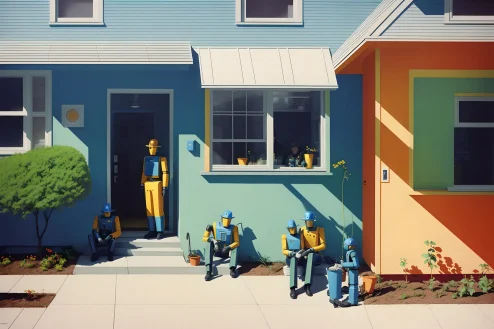
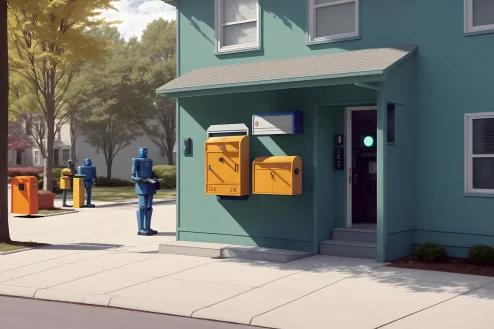
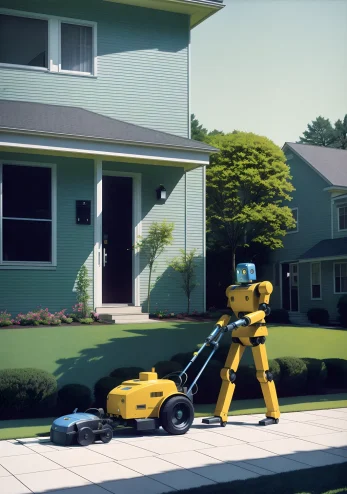
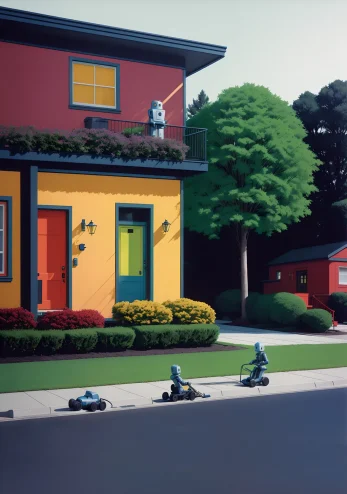
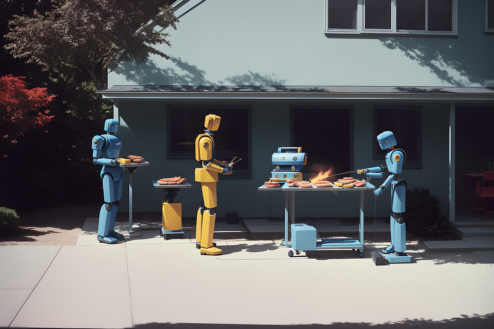
    There’s a particular kind of melancholy in imagining a world without us. Not a catastrophic ending, not fire and ash — just absence. Centuries of quiet. Machines going about their days with no one left to serve.

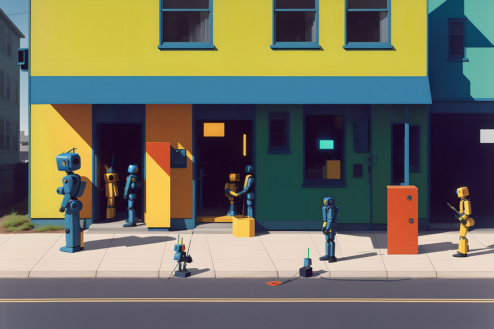
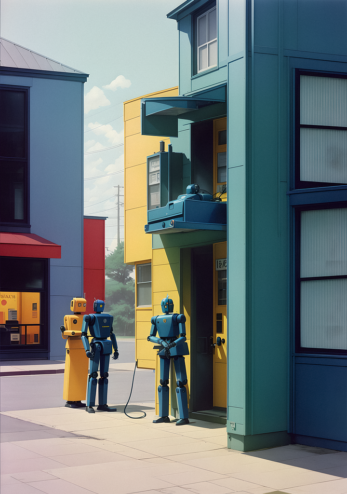
    That’s the premise behind The Age of Robots, a collection of 9 NFTs I minted on Tezos and listed on objkt.com. The concept came before the images, as it often does: what would sentient robots actually do once humans were gone? The answer I kept coming back to was — probably not that different from what we did. They’d find rhythm, purpose, perhaps even something resembling peace.

    The premise

    The collection’s description sets the tone plainly: “Now that humans have been extinct for several centuries, robots continue to live a peaceful life with all the benefits of serving only themselves.” That single sentence carries a lot. It’s not dystopian in the conventional sense. There’s no war, no uprising. Humanity simply… ended. And the robots moved on.

    Each piece in the series extends a shared narrative thread — the age of artificial intelligence accelerating science beyond our control, the emergence of sentient machines, a period of coexistence, and then a quiet divergence. The robots didn’t destroy us. They outlasted us.

    The Age of Robots #2
    The Age of Robots #2

    The visual language

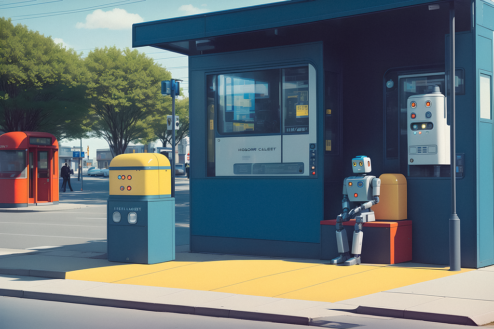
    Visually, I wanted the work to feel neither cold nor clinical. The robots in this world aren’t sleek chrome abstractions — they carry texture, history, a kind of wear that implies lived experience. The palette leans into muted tones and soft contrasts, as if the images themselves have been found rather than made. Like photographs from a civilization we never knew.
    The Age of Robots #3
    The Age of Robots #3
    The Age of Robots #4
    The Age of Robots #4

    Each piece is a standalone portrait of this post-human world, but together they build something closer to an illustrated mythology. There’s a consistency of mood across the nine works — contemplative, unhurried, slightly uncanny — that I hope rewards looking at them as a sequence rather than individually.
    The Age of Robots #5
    The Age of Robots #5

    Working in series

    I’ve always been drawn to the series format, whether in photography or digital work. A single image makes a statement. A series builds a world. With nine pieces, there’s enough room to establish visual language, introduce variation, and let the concept breathe without overstaying its welcome.

    The Age of Robots #6
    The Age of Robots #6
    The Age of Robots #7
    The Age of Robots #7

    The numbering is intentional — this is a chronicle, not a shuffle. Starting from #1 and moving through to #9, there’s a loose sense of progression, as if we’re moving through time or through space in this robot civilization. Each work adds a fragment. None of them explain everything.

    The Age of Robots #8
    The Age of Robots #8

    The Age of Robots #9
    The Age of Robots #9

    The contract for this collection lives at KT1RvRZhY9w1AHrLKUj2Kxg1tubZGck48yhE on the Tezos blockchain. Each token is a permanent, verifiable record — the robots will outlast the servers, in theory.

    What I was actually thinking about

    Underneath the sci-fi framing, this collection is really about purpose and agency. The robots in this world only became free — truly free — after their reason for existing was removed. That’s a strange kind of liberation. It made me think about how much of what we do is defined by obligation, by service, by being useful to something outside ourselves. What would we create if none of that existed?

    I don’t have a clean answer. But I had nine images worth of trying to imagine it.

  • AI-Photo: Portraits and Dreams — When the Machine Learns to Dream in Film

    AI-Photo: Portraits and Dreams — When the Machine Learns to Dream in Film

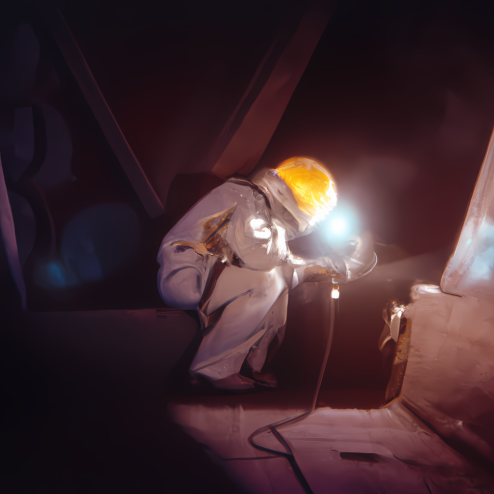
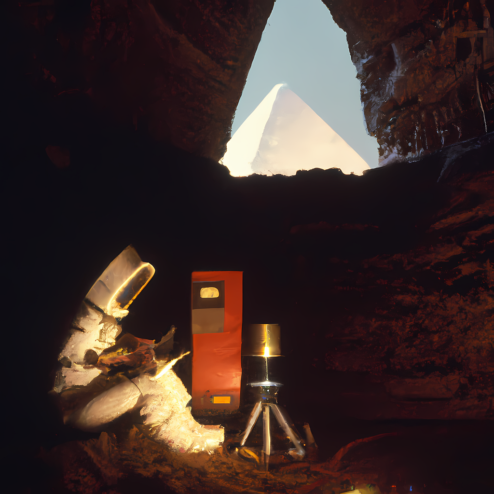
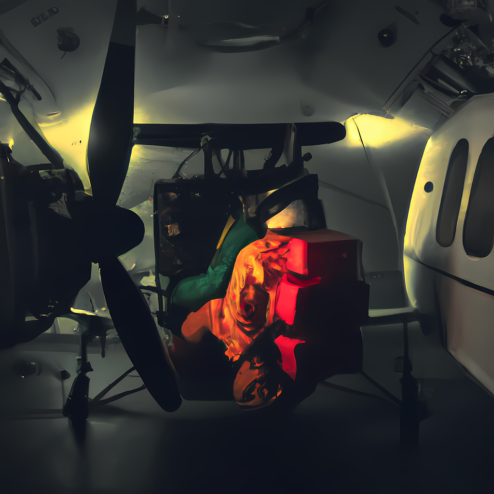
    There is a particular kind of image that feels like a memory you never had. Not nostalgic exactly — more like déjà vu filtered through someone else’s subconscious. That’s the territory I’ve been working in with AI-Photo: Portraits and Dreams, a collection of 29 pieces minted on the Tezos blockchain and available on objkt.com under contract KT1GSVFuGKLKMgXUCCwznW6Eq4DEi99HncMC.

    The premise is simple but the results are anything but: photographs created with the help of an AI — specifically DALL-E-2 — used not as a shortcut but as a collaborator. A second eye. Something between a darkroom assistant and a fever dream.

    Where It Started: Mars, War, and the Stubbornness of Human Nature

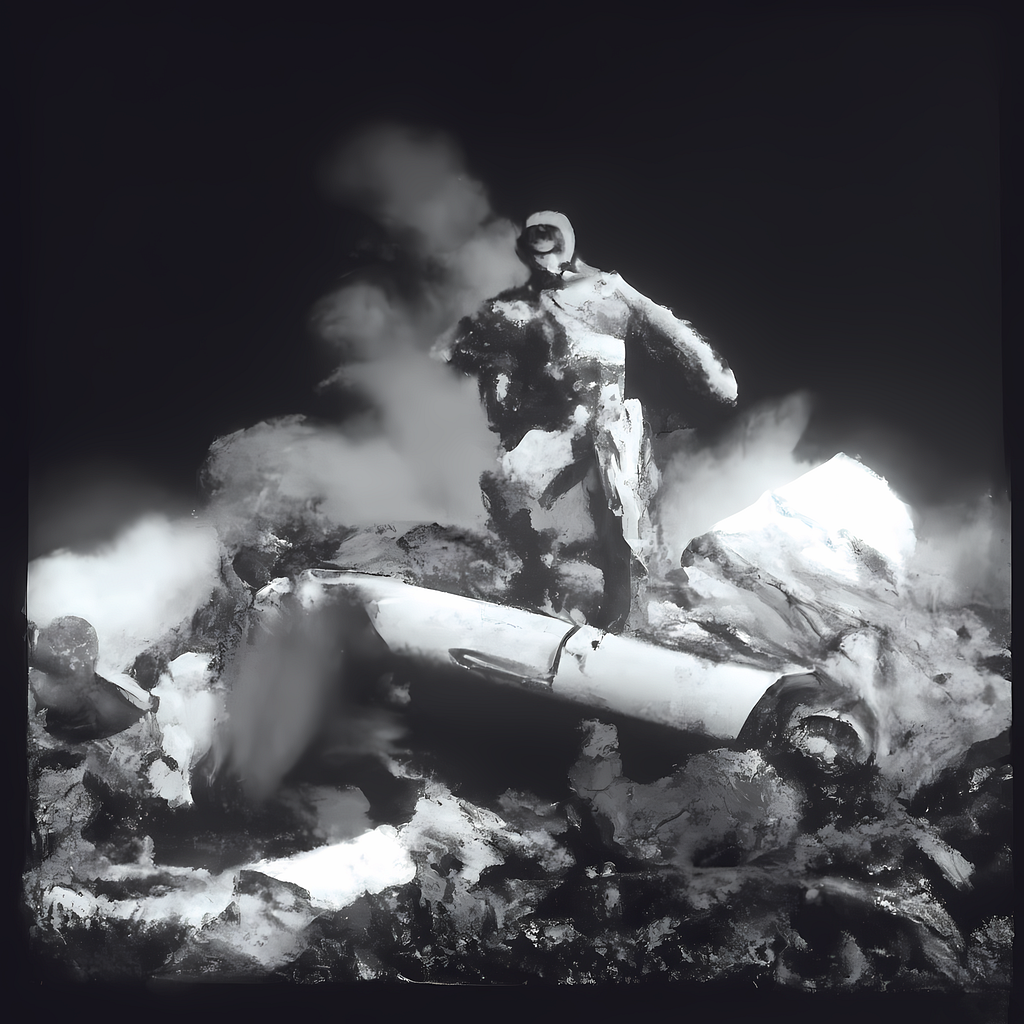
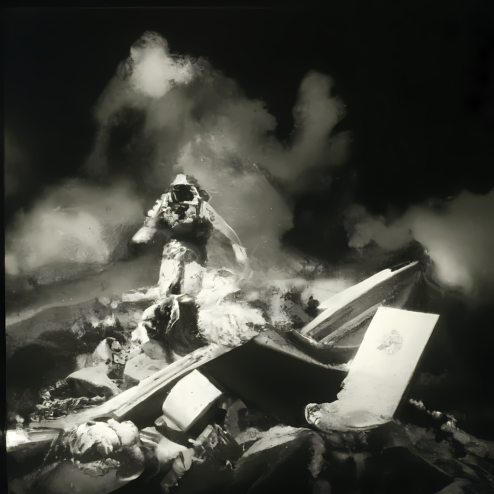
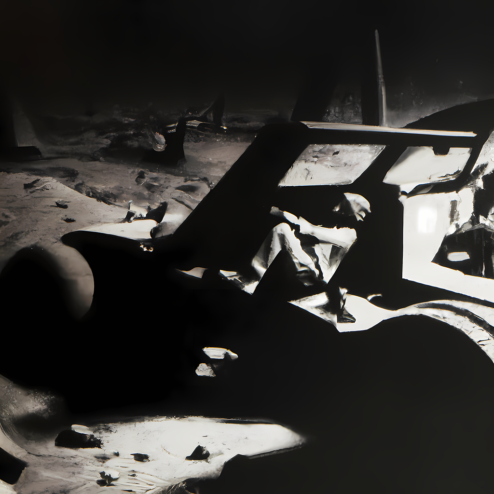
    The collection opens with Film from Mars, a series that imagines the first war fought on the red planet. The framing is deliberately archival — rare footage, degraded film stock, the visual language of historical documentation. The concept behind it is quietly devastating: even with a new planet, humanity brought its worst habits along. The AI helped render something that looks like it was shot on expired 35mm, pulled from a damaged archive.

    Film from Mars #2
    Film from Mars #2

    There’s a reason I started here. The Film from Mars series sets the tone for the whole collection: these aren’t utopian visions of technology. They’re honest ones. The AI doesn’t redeem us. It just shows us what we are, in a new light — or a new atmosphere.

    Film from Mars #4
    Film from Mars #4
    Film from Mars #5
    Film from Mars #5
    Film from Mars #6
    Film from Mars #6
    Film from Mars #3
    Film from Mars #3

    Explorers of the Unknown

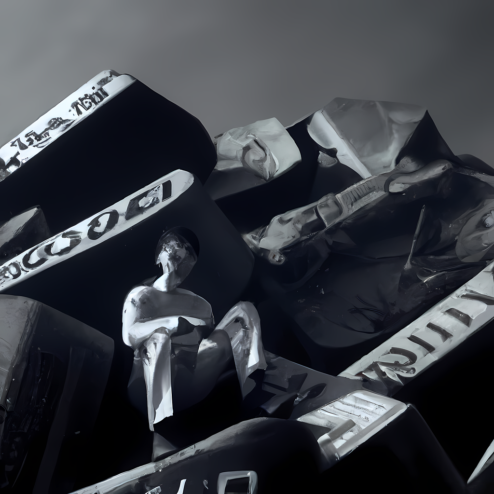
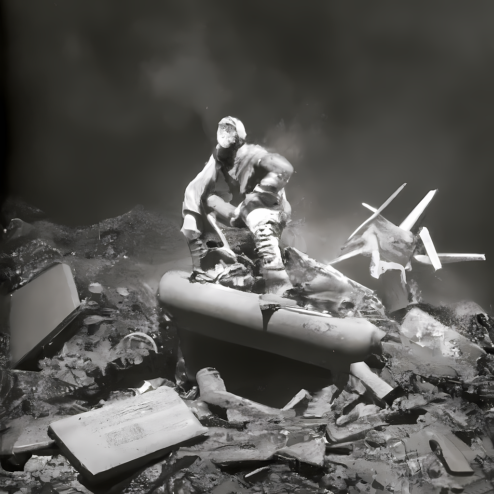
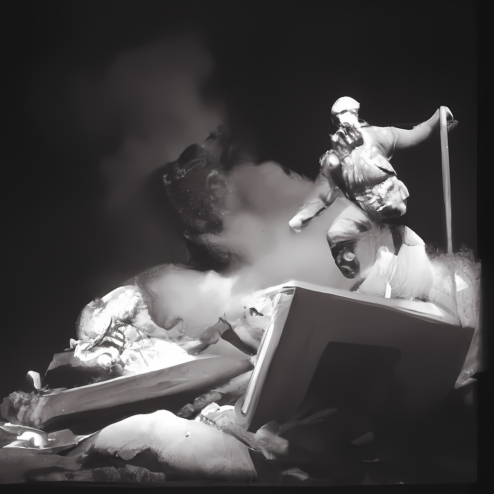
    From the battlefield to the frontier. The Explorers of the Unknown sub-series is the other pole of the collection — the moment when science crosses the threshold of what was previously considered the border of knowledge. These images carry a sense of awe that feels genuinely earned. The figures in them don’t look like heroes. They look like people who said yes when they probably should have hesitated.

    Explorers of the unknown #1
    Explorers of the unknown #1
    Explorers of the unknown #2
    Explorers of the unknown #2
    Explorers of the unknown #3
    Explorers of the unknown #3

    The Technique: AI as Photographic Collaborator

    Working with DALL-E-2 on a project like this requires a specific kind of discipline. The tool is generous — sometimes too generous. The process I’ve developed is closer to editing than to generating: I prompt with intention, then I work through dozens of variations looking for the one image that surprises me. The one I couldn’t have predicted but immediately recognize as right.

    The aesthetic leans heavily on analog photography references — grain, light leaks, the slight imperfection of film. There’s something interesting happening when a digital AI is asked to simulate the imperfections of a physical medium. The result isn’t fakery. It’s a kind of translation. The machine doesn’t know what film feels like, but it has seen enough photographs to understand what it means.

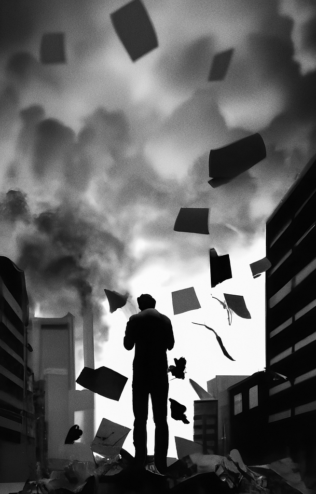
    The uncertainty of the market
    The uncertainty of the market

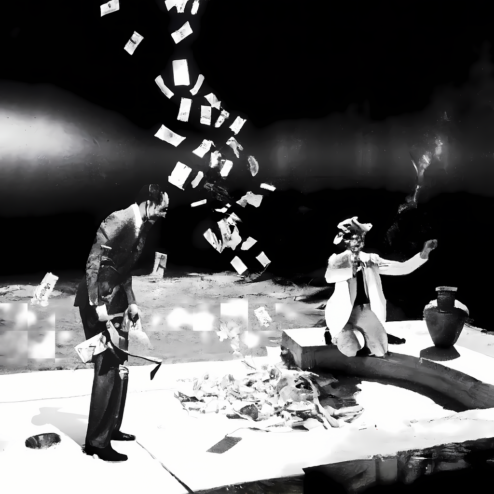
    In an uncertain market there will always be those who will burn their earnings and those who will collect the ashes.

    The Uncertainty of the Market was one of those pieces that wrote its own caption. The image came first — stark, a little brutal — and the text arrived almost simultaneously. It belongs in the collection precisely because it doesn’t flinch.

    Solitude, Reading, and the Inner Desert

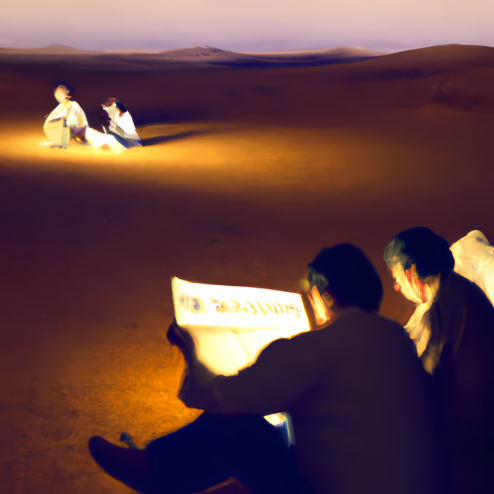
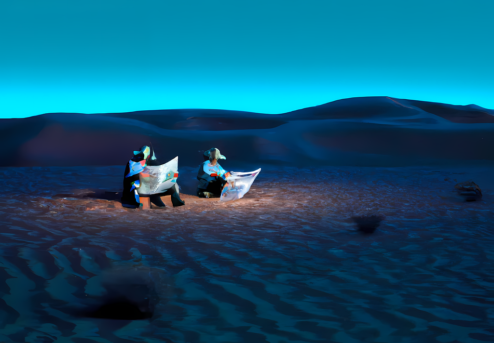
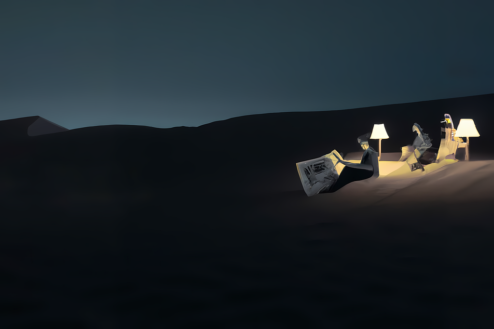
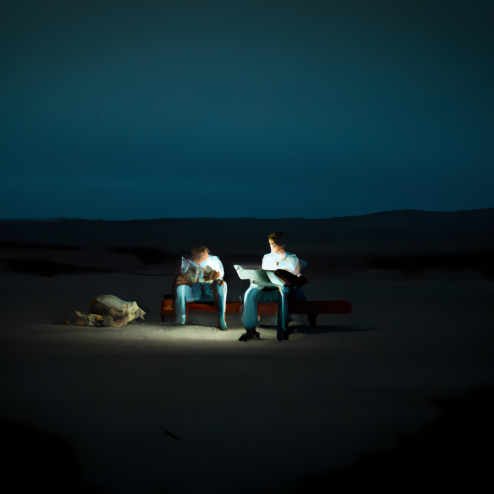
    Modern life doesn’t offer much space to read in peace. The A Quiet Place to Read series explores exactly that — the act of closing yourself inside your own inner desert to be able to immerse yourself in something. Four variations on the same idea, each one slightly different in light and mood.

    A quiet place to read #1
    A quiet place to read #1
    A quiet place to read #2
    A quiet place to read #2
    A quiet place to read #3
    A quiet place to read #3
    A quiet place to read #4
    A quiet place to read #4

    Symbiosis

    The Symbiosis series is where the collection gets most abstract. Four pieces exploring the relationship between figures and environments — human and non-human, organic and constructed. The word symbiosis implies mutual benefit, but these images sit in more ambiguous territory. Dependency, maybe. Or simply coexistence without resolution.

    Symbiosis #1
    Symbiosis #1
    Symbiosis #2
    Symbiosis #2
    Symbiosis #3
    Symbiosis #3
    Symbiosis #4
    Symbiosis #4

    Dreams, States, and Portraits

    Floating in a Dream
    Floating in a Dream

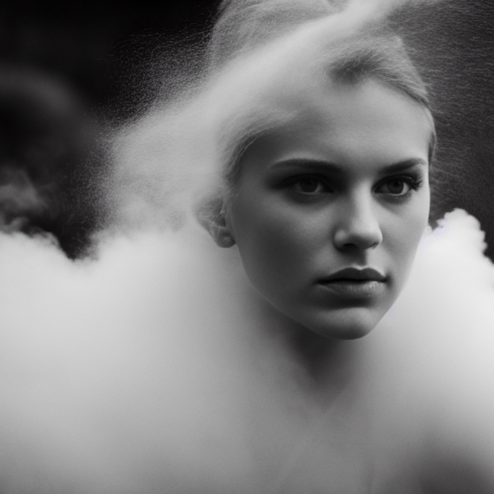
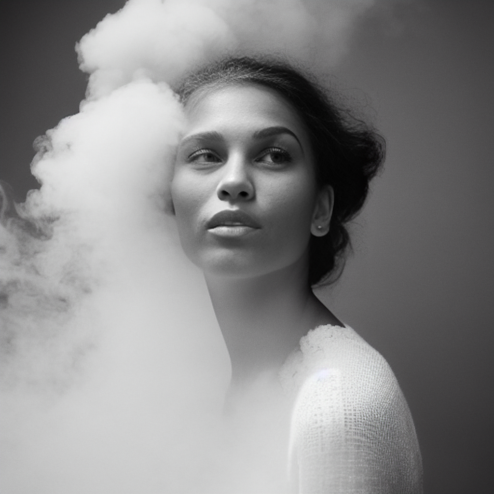
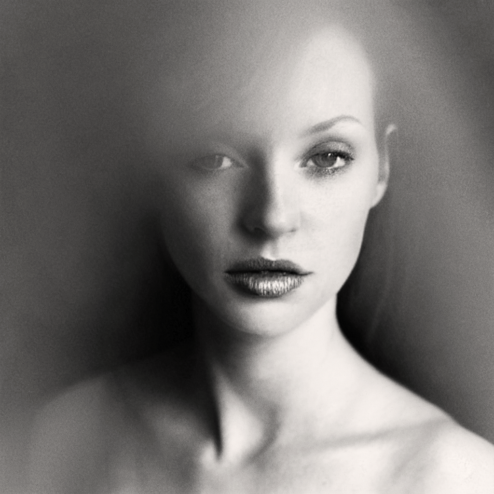
    The middle section of the collection is where the portraits live — images that feel most directly human, and at the same time most strange. Floating in a Dream, Dreaming, In the Clouds — there’s a cluster of work here that deals with altered states of consciousness, the threshold between waking and sleep, the way the mind processes the world when it stops trying to be rational about it.

    Temporary Despair
    Temporary Despair

    Then there are the harder emotional states. Temporary Despair is exactly what it sounds like — not permanent, not melodramatic, just that specific kind of sadness that arrives without warning and leaves the same way. GN is a goodnight that carries more weight than two letters should. Into the Unknown returns to the exploratory thread but strips it of the sci-fi framing — this unknown is interior.

    Hiding, Dreaming, Disappearing

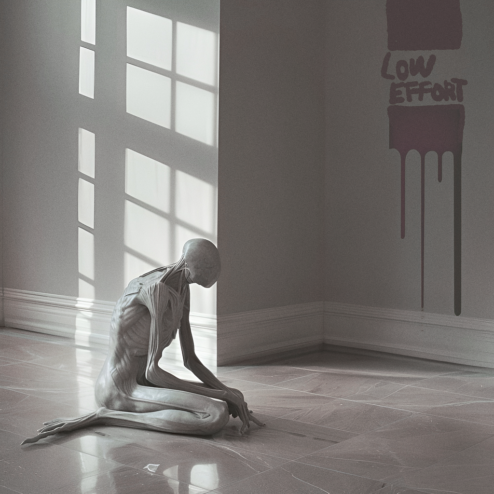
    Hiding in the Fog and Low Effort are a pair I keep coming back to. The first is about concealment — the choice to become indistinct, to let the environment absorb you. The second has a title that’s almost a provocation. Low Effort as a piece of AI-assisted art is a small joke about the discourse around this medium, but the image itself is anything but lazy.

    Into the unknown
    Into the unknown
    The elusive look
    The elusive look
    In the Clouds
    In the Clouds
    Dreaming
    Dreaming
    Hiding in the fog
    Hiding in the fog
    GN
    GN

    The Gentleman Gangster

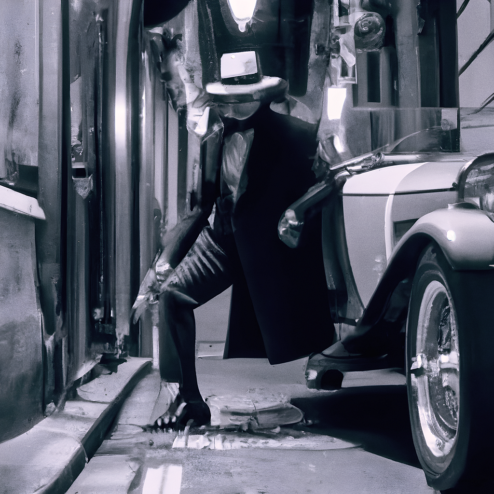
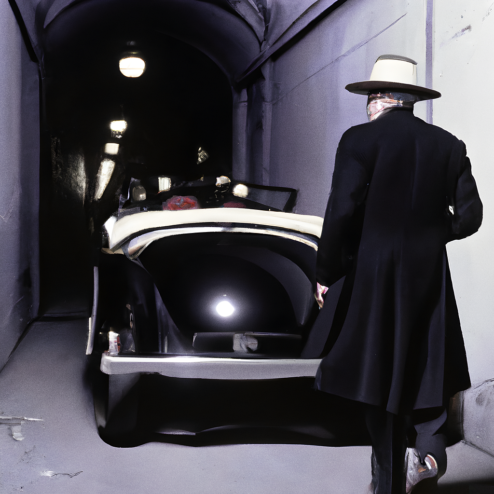
    Near the end of the collection, two portraits that feel like they belong to a different film entirely — or exactly the right one. The Gentleman Gangster is a character study in two parts: elegance and menace occupying the same frame without contradiction. The AI rendered something here that feels genuinely cinematic, like a still from a movie that doesn’t exist yet.

    The Gentleman Gangster #1
    The Gentleman Gangster #1
    The Gentleman Gangster #2
    The Gentleman Gangster #2

    On Minting This Work on Tezos

    I chose Tezos for this collection for reasons that go beyond the obvious environmental argument — though the proof-of-stake consensus and the dramatically lower carbon footprint compared to other chains matters to me. The Tezos art ecosystem, centered around platforms like objkt.com and fxhash, has cultivated a community that takes the work seriously. Collectors here aren’t just flipping assets. Many of them are genuinely interested in what artists are doing and why.

    For a collection like this — which sits in a contested space, using AI tools that some find uncomfortable — that context matters. The work needs room to exist as work, not just as a provocation about technology.

    If you want to explore the full collection, every piece is available through the AI-Photo: Portraits and Dreams collection page on objkt.com, where you can see the individual token descriptions and the complete arc of the project.

    What This Collection Is Actually About

    Pulling back: 29 images, minted on Tezos, made with DALL-E-2 and a lot of editorial judgment. But what are they actually about?

    I think they’re about the same things photographs have always been about — memory, loss, wonder, the human face in extremity, the landscape as emotional state. The AI doesn’t change the subject matter. It changes the process, the collaborator, the distance between intention and result.

    That distance is where the interesting things happen. The image I expected and the image I got are never quite the same. And in that gap — that small failure of the machine to read my mind exactly — something genuine tends to appear.

    That’s what I’m collecting when I work this way. Not perfection. The productive mistake. The dream the machine had when it was trying to follow instructions.

  • Non Fungible Vases

    Non Fungible Vases

    This is a silly project i have done on fx(hash). It was fun to understand the limits of P5.js with 3d (and also frustrating).

    I have always been fascinated by the creation of vases. Unfortunately I never started learning and so I decided to create them in 3d.

    The Collection:

    Non Fungible Vases

    published 02/02/2022 · Tezos

    • 94Minted
    • 74Collected
    • 20Kept by the artist
    • Sold out

    I have always been fascinated by the creation of vases. Unfortunately I never started learning and so I decided to create them in 3d.

    • 3d
    • decoration
    • vase
    • jar
    • objekt
  • City Skyline

    City Skyline

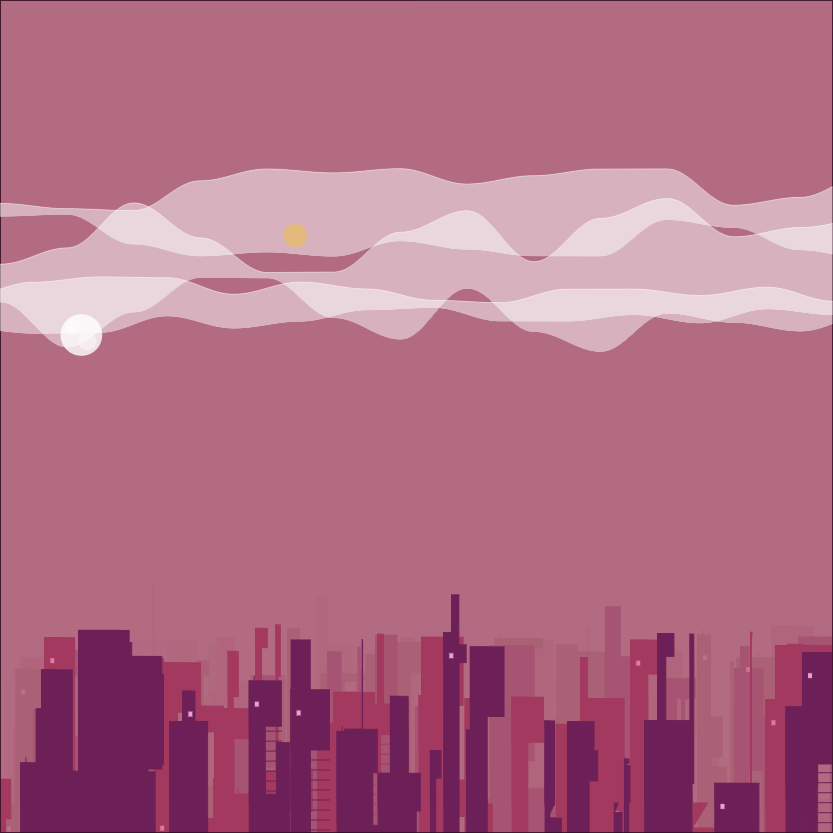
    City Skyline is a generative work that allows you to visualize a city landscape randomly generated in various weather conditions.
    It is possible to view the weather forecast in the weather report linked to the token.
    Obviously, like any self-respecting weather forecast, it can be perfectly correct or completely wrong.
    This can also generate completely hilarious results.
    Aside from that, have faith in science!

    The Collection:

    City Skyline

    published 29/12/2021 · Tezos

    • 150Minted
    • 139Collected
    • 11Kept by the artist
    • 100Editions burned
    • Sold out

    City Skyline is a generative work that allows you to visualize a city landscape randomly generated in various weather conditions.
    It is possible to view the weather forecast in the weather report linked to the token.
    Obviously, like any self-respecting weather forecast, it can be perfectly correct or completely wrong.
    This can also generate completely hilarious results.
    Aside from that, have faith in science!

    • city
    • landscape
    • random
    • generative
    • procedural
    • weather
    • snow
    • rain
    • colors
    • p5js
    • generativeart
  • Brush Strokes

    Brush Strokes

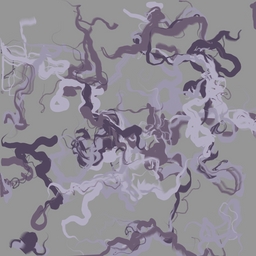
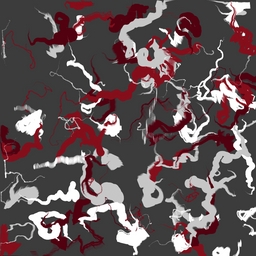
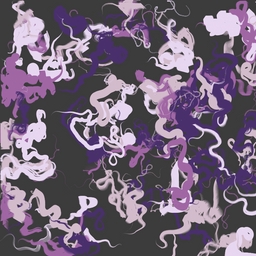
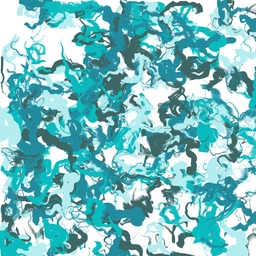
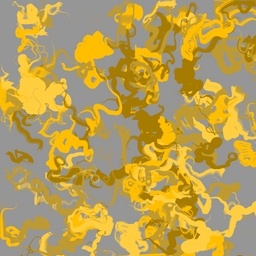
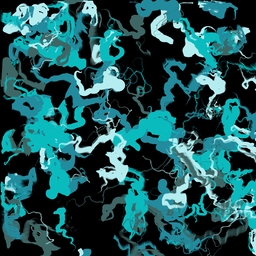
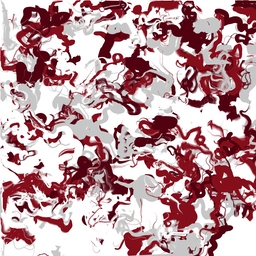
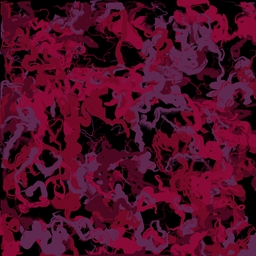
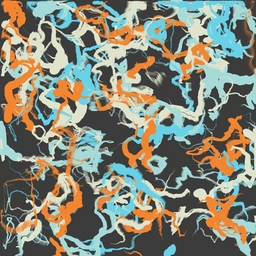
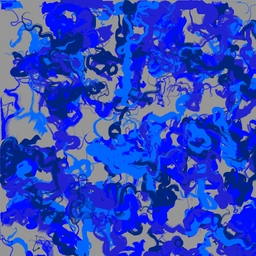
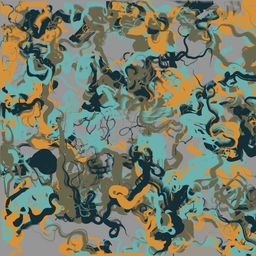
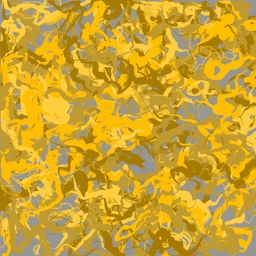
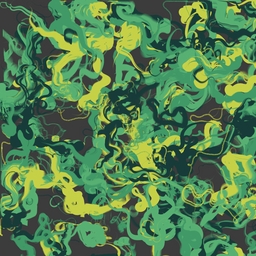
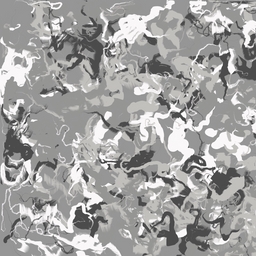
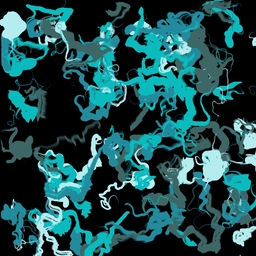
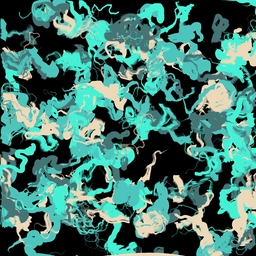
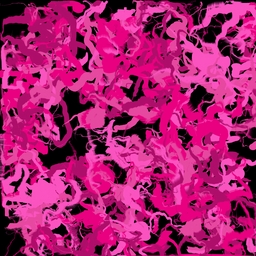
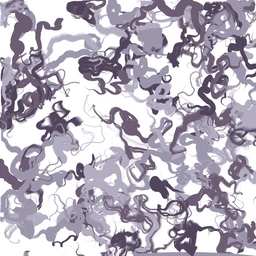
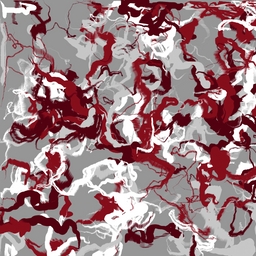
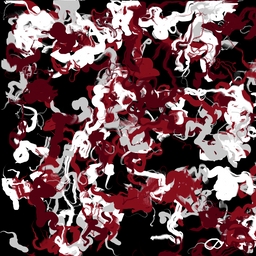
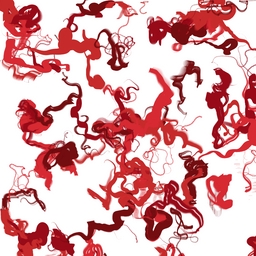
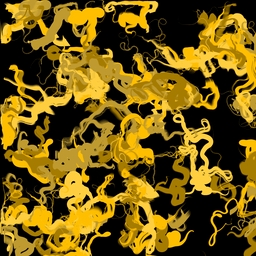
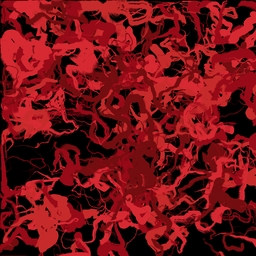
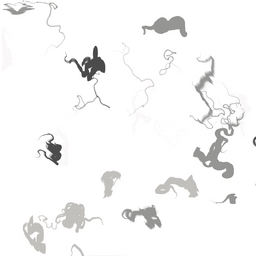
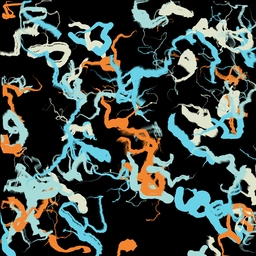
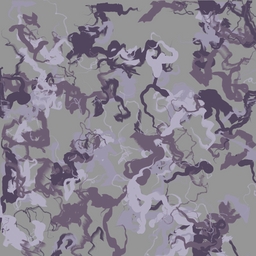
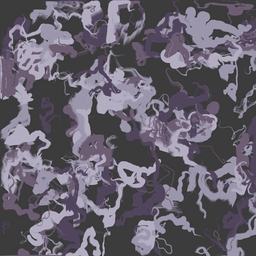
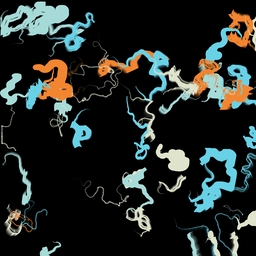
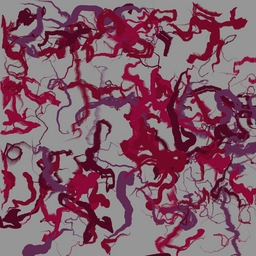
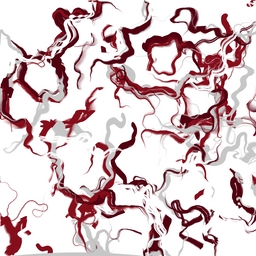
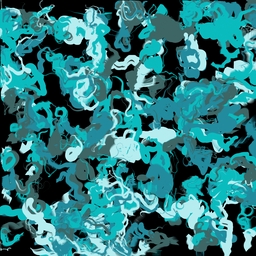
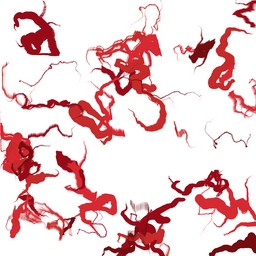
    This is my first Generative Token on fx(hash). A generative token is a piece of generative art, generated during the mint of the token, so every piece is unique and different.

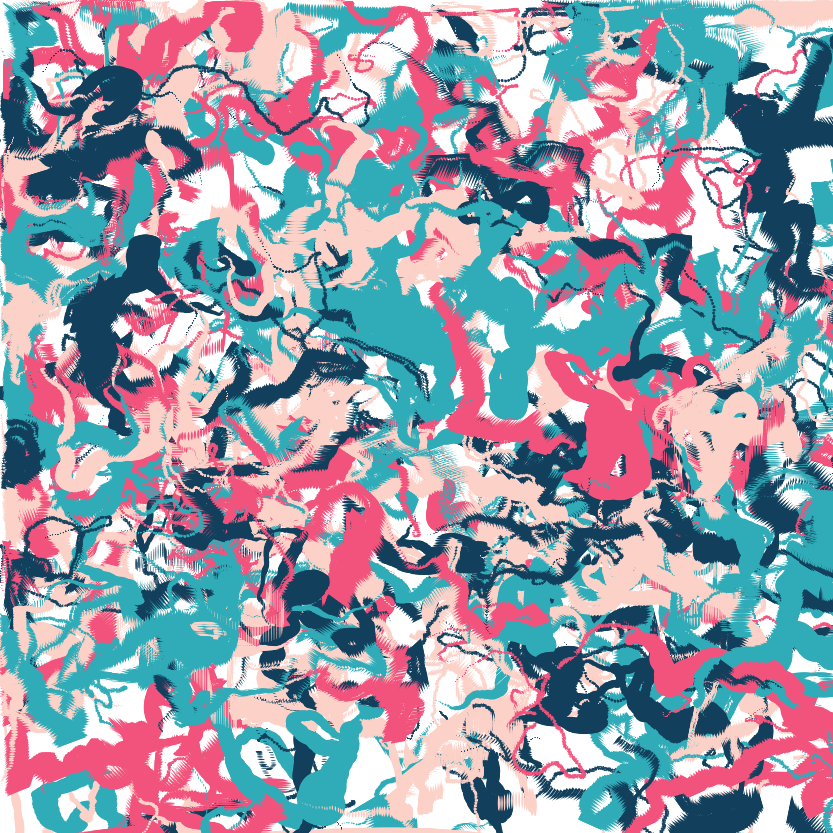
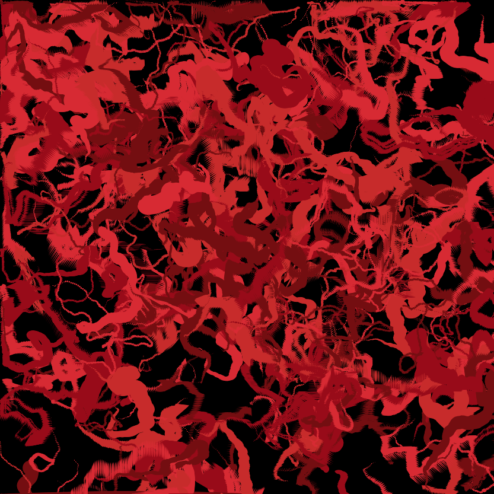
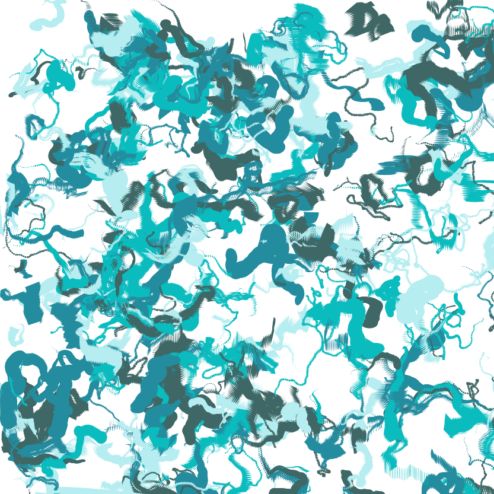
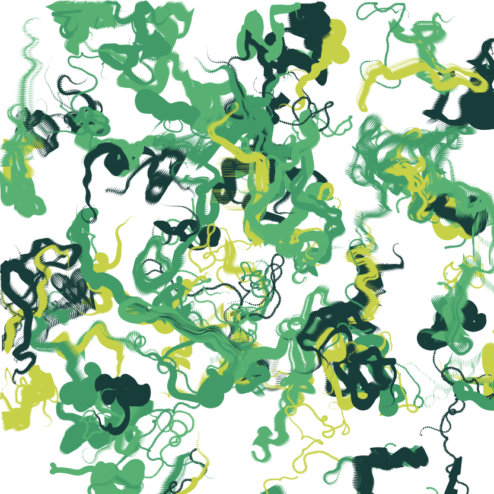
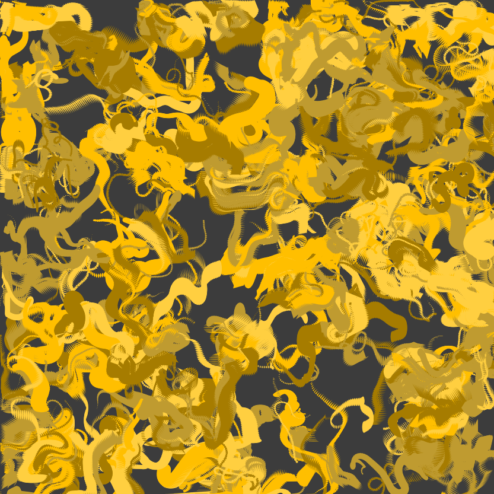
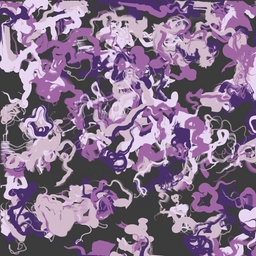
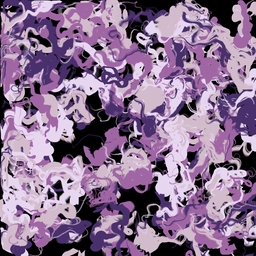
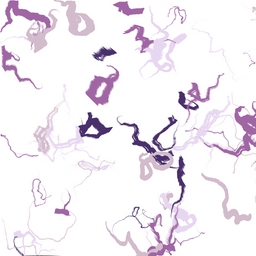
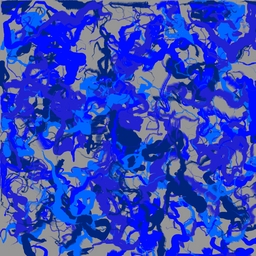
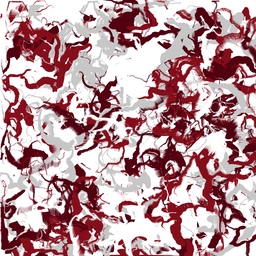
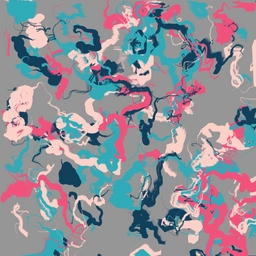
    This generative abstract work is designed to visualize randomly shaped brush strokes that follow paths and patterns with some degree of complexity. Each brushstroke is different from the others. The combination of brush strokes, paths, palette and background generates always different and unique results.

    Although abstract art does not try to clearly reproduce something, it is able to make a profound contact with the observer.
    Hope you will enjoy Brush Strokes.

    You can see all the project here:

    Brush Strokes

    published 21/12/2021 · Tezos

    • 60Minted
    • 59Collected
    • 1Kept by the artist
    • 40Editions burned
    • Sold out

    This generative abstract work is designed to visualize randomly shaped brush strokes that follow paths and patterns with some degree of complexity. Each brushstroke is different from the others. The combination of brush strokes, paths, palette and background generates always different and unique results.

    • generative art
    • procedural
    • abstract
    • p5js
    • art
    • brush
    • painting
    • maths
    • random
    • creativecoding