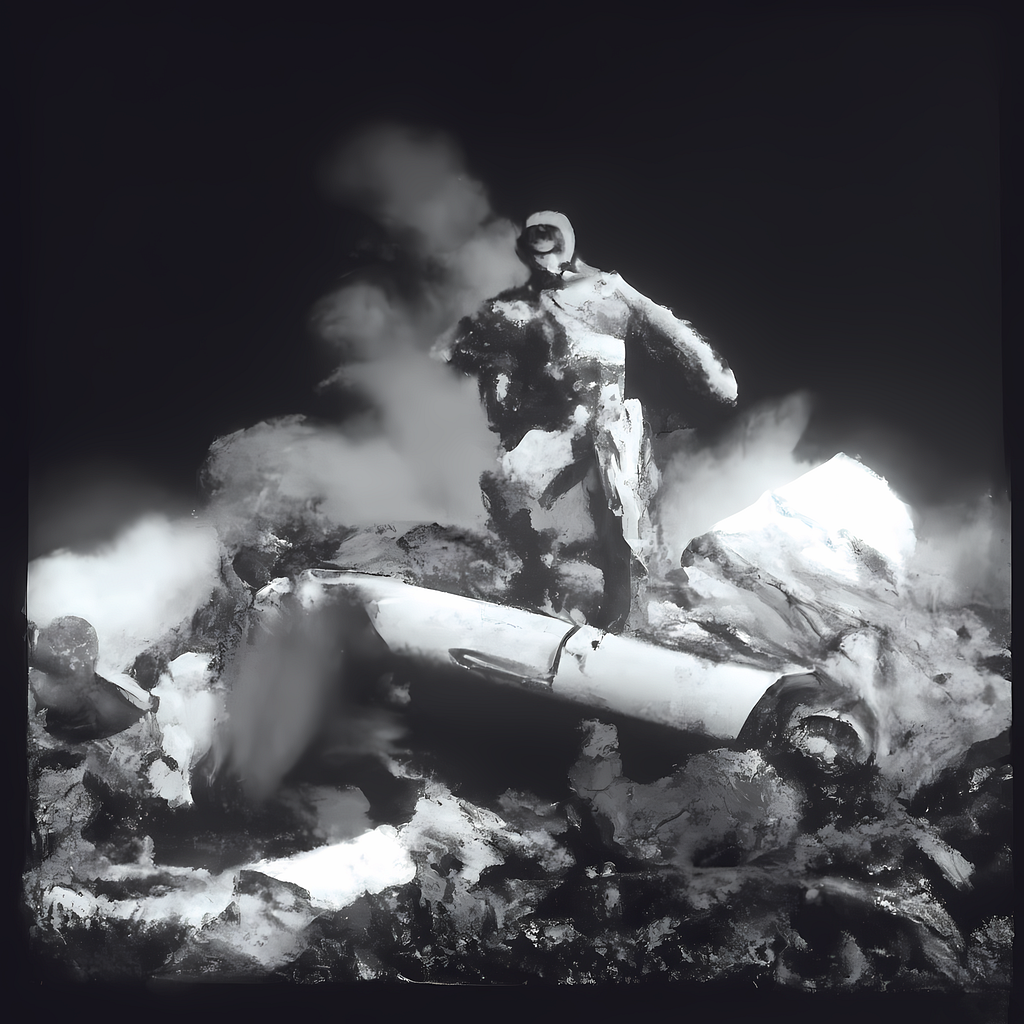
There is a particular kind of image that feels like a memory you never had. Not nostalgic exactly — more like déjà vu filtered through someone else’s subconscious. That’s the territory I’ve been working in with AI-Photo: Portraits and Dreams, a collection of 29 pieces minted on the Tezos blockchain and available on objkt.com under contract KT1GSVFuGKLKMgXUCCwznW6Eq4DEi99HncMC.
The premise is simple but the results are anything but: photographs created with the help of an AI — specifically DALL-E-2 — used not as a shortcut but as a collaborator. A second eye. Something between a darkroom assistant and a fever dream.
Where It Started: Mars, War, and the Stubbornness of Human Nature
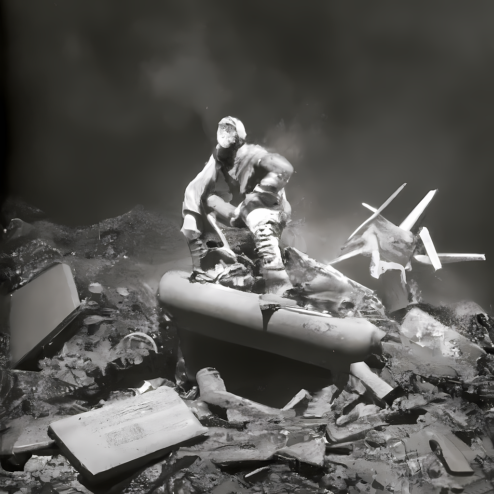
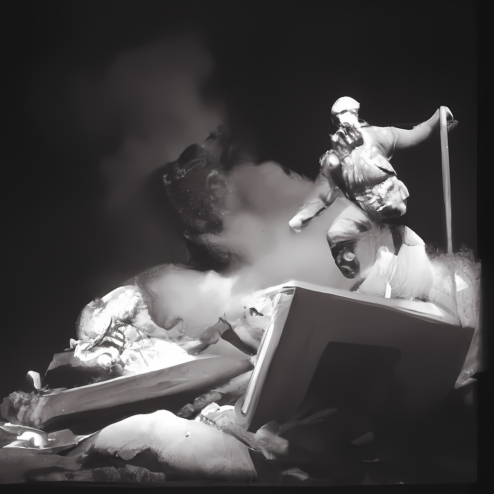
The collection opens with Film from Mars, a series that imagines the first war fought on the red planet. The framing is deliberately archival — rare footage, degraded film stock, the visual language of historical documentation. The concept behind it is quietly devastating: even with a new planet, humanity brought its worst habits along. The AI helped render something that looks like it was shot on expired 35mm, pulled from a damaged archive.
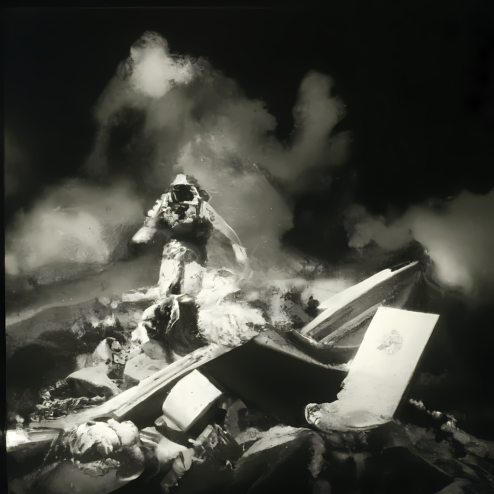
There’s a reason I started here. The Film from Mars series sets the tone for the whole collection: these aren’t utopian visions of technology. They’re honest ones. The AI doesn’t redeem us. It just shows us what we are, in a new light — or a new atmosphere.
Explorers of the Unknown
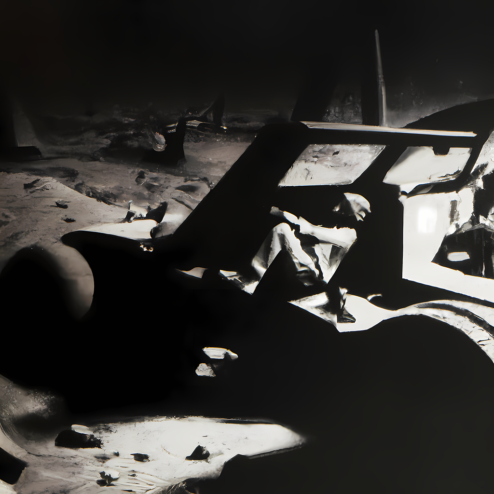
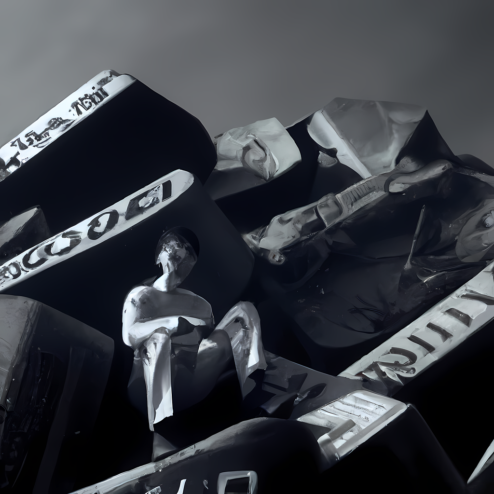
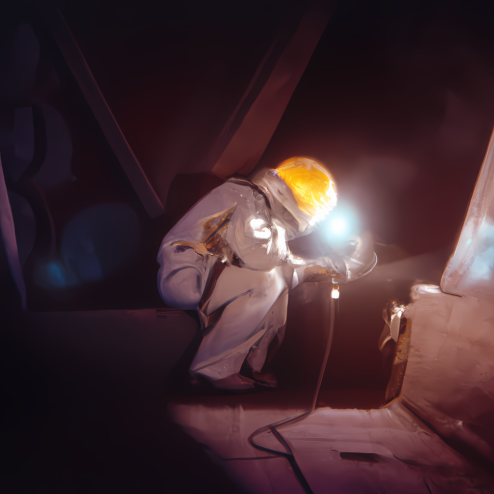
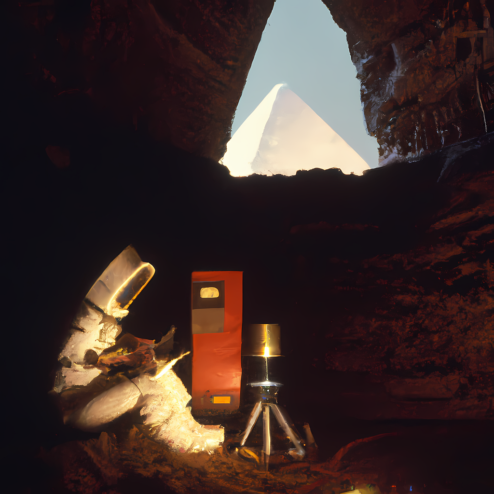
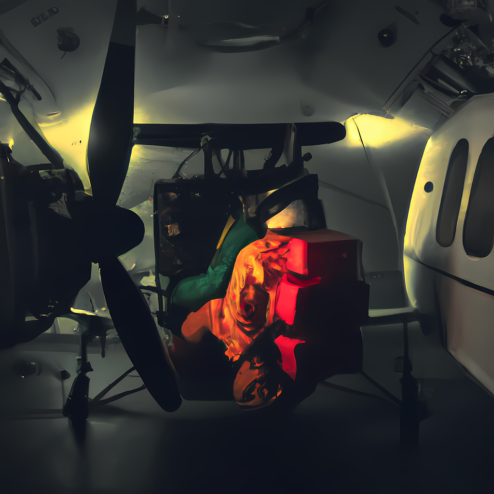
From the battlefield to the frontier. The Explorers of the Unknown sub-series is the other pole of the collection — the moment when science crosses the threshold of what was previously considered the border of knowledge. These images carry a sense of awe that feels genuinely earned. The figures in them don’t look like heroes. They look like people who said yes when they probably should have hesitated.
The Technique: AI as Photographic Collaborator
Working with DALL-E-2 on a project like this requires a specific kind of discipline. The tool is generous — sometimes too generous. The process I’ve developed is closer to editing than to generating: I prompt with intention, then I work through dozens of variations looking for the one image that surprises me. The one I couldn’t have predicted but immediately recognize as right.
The aesthetic leans heavily on analog photography references — grain, light leaks, the slight imperfection of film. There’s something interesting happening when a digital AI is asked to simulate the imperfections of a physical medium. The result isn’t fakery. It’s a kind of translation. The machine doesn’t know what film feels like, but it has seen enough photographs to understand what it means.
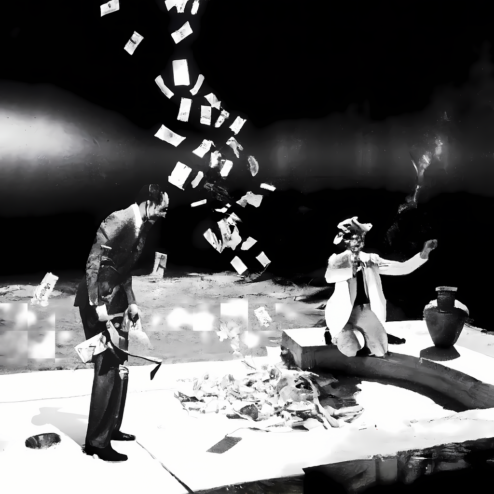
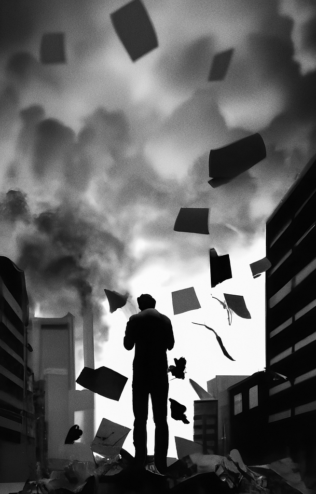
In an uncertain market there will always be those who will burn their earnings and those who will collect the ashes.
The Uncertainty of the Market was one of those pieces that wrote its own caption. The image came first — stark, a little brutal — and the text arrived almost simultaneously. It belongs in the collection precisely because it doesn’t flinch.
Solitude, Reading, and the Inner Desert
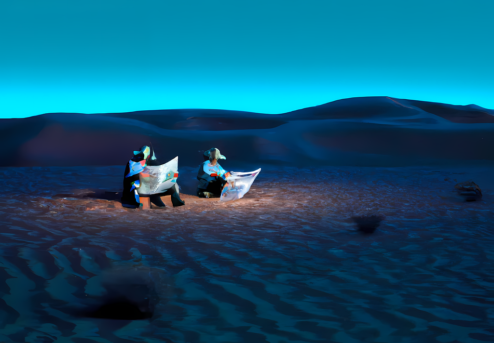
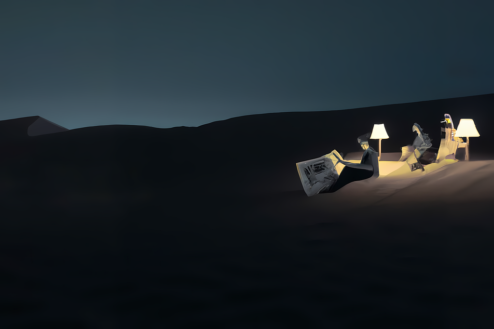
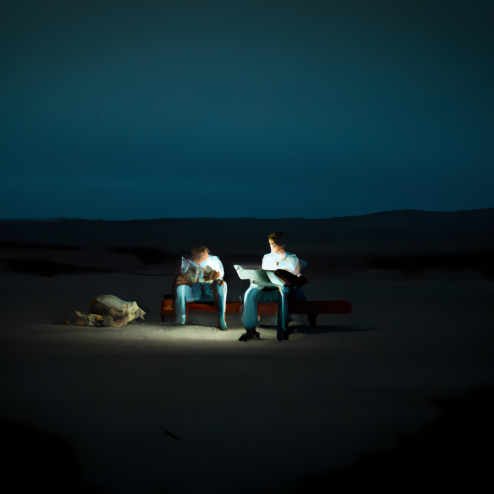
Modern life doesn’t offer much space to read in peace. The A Quiet Place to Read series explores exactly that — the act of closing yourself inside your own inner desert to be able to immerse yourself in something. Four variations on the same idea, each one slightly different in light and mood.

Symbiosis
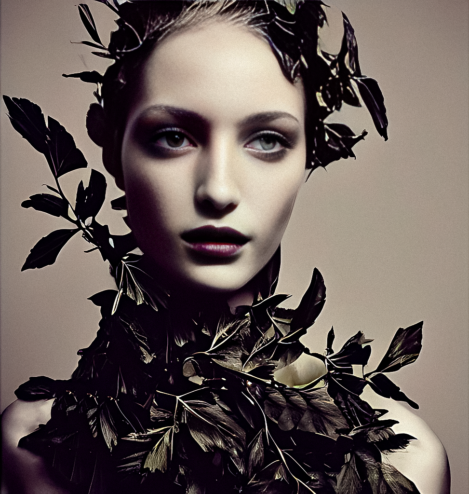
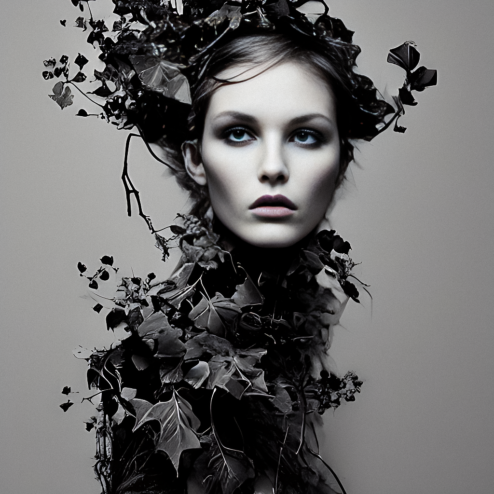
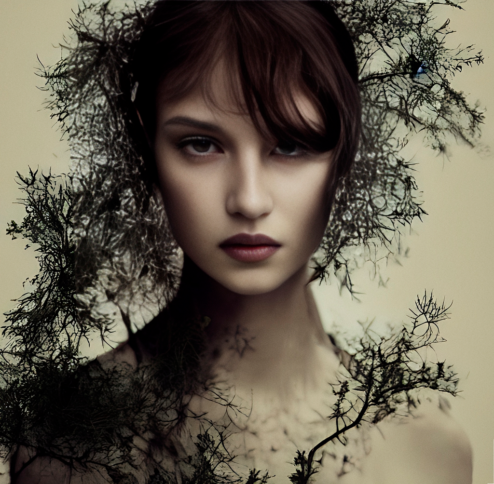
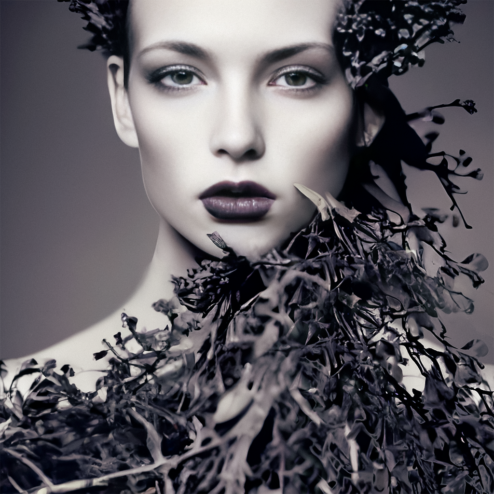
The Symbiosis series is where the collection gets most abstract. Four pieces exploring the relationship between figures and environments — human and non-human, organic and constructed. The word symbiosis implies mutual benefit, but these images sit in more ambiguous territory. Dependency, maybe. Or simply coexistence without resolution.
Dreams, States, and Portraits
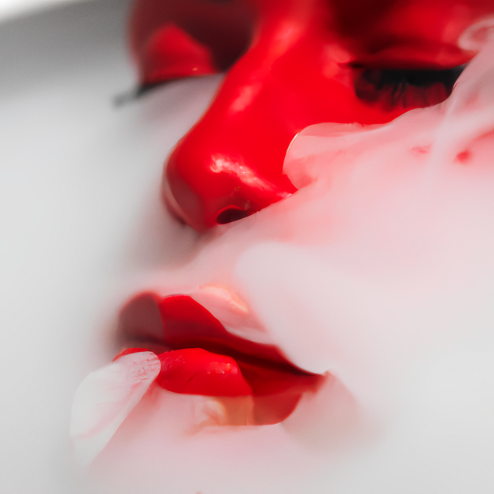
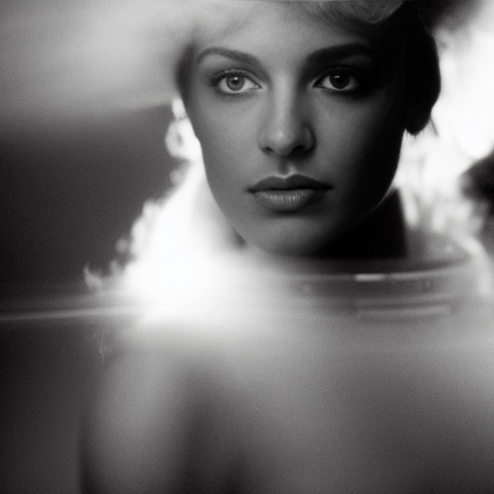
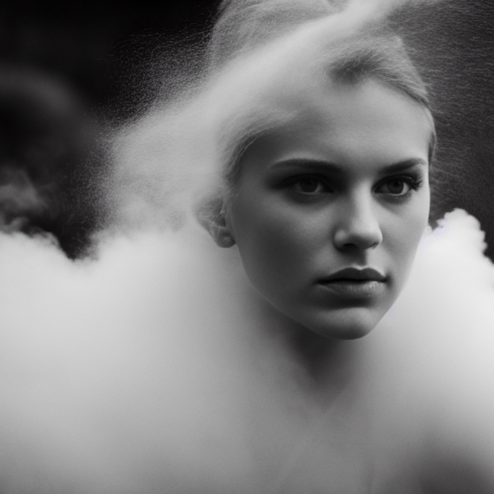
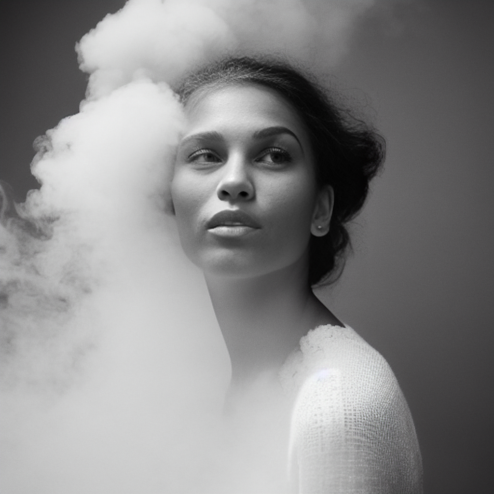
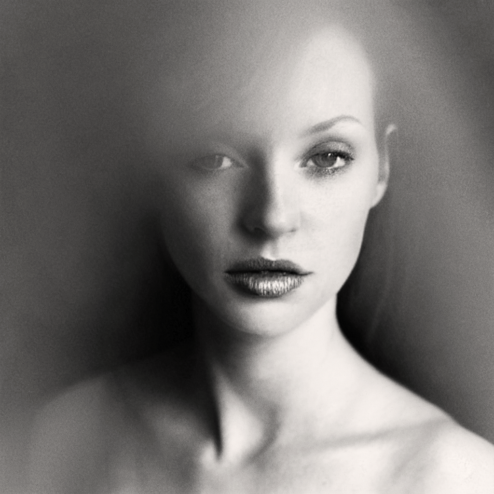
The middle section of the collection is where the portraits live — images that feel most directly human, and at the same time most strange. Floating in a Dream, Dreaming, In the Clouds — there’s a cluster of work here that deals with altered states of consciousness, the threshold between waking and sleep, the way the mind processes the world when it stops trying to be rational about it.
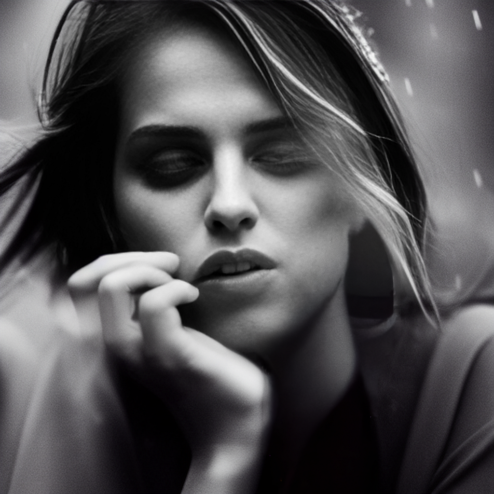
Then there are the harder emotional states. Temporary Despair is exactly what it sounds like — not permanent, not melodramatic, just that specific kind of sadness that arrives without warning and leaves the same way. GN is a goodnight that carries more weight than two letters should. Into the Unknown returns to the exploratory thread but strips it of the sci-fi framing — this unknown is interior.
Hiding, Dreaming, Disappearing
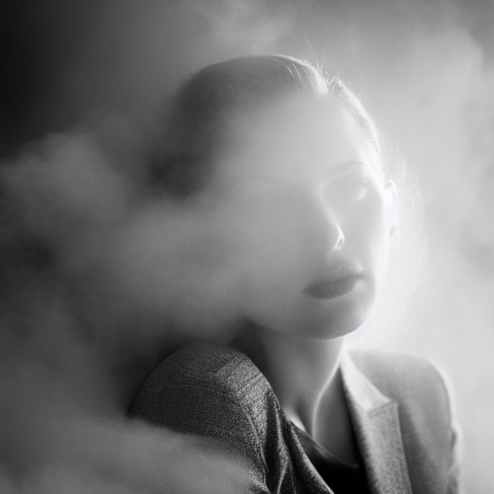
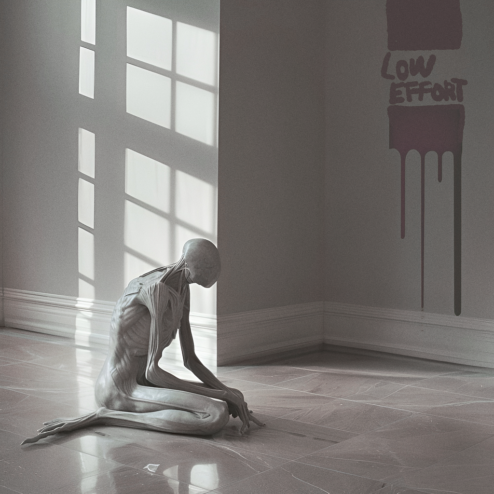
Hiding in the Fog and Low Effort are a pair I keep coming back to. The first is about concealment — the choice to become indistinct, to let the environment absorb you. The second has a title that’s almost a provocation. Low Effort as a piece of AI-assisted art is a small joke about the discourse around this medium, but the image itself is anything but lazy.
The Gentleman Gangster
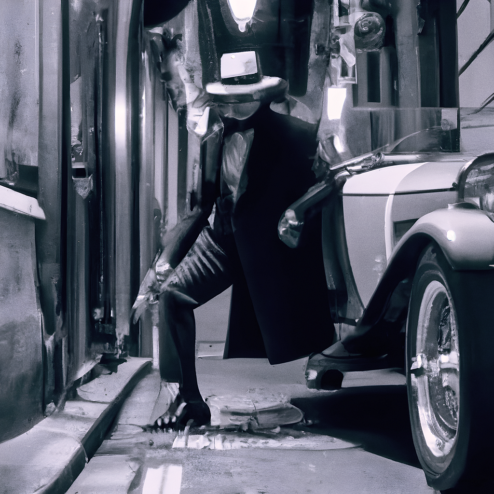
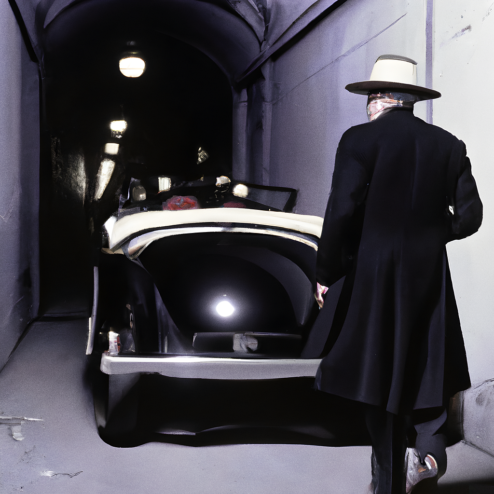
Near the end of the collection, two portraits that feel like they belong to a different film entirely — or exactly the right one. The Gentleman Gangster is a character study in two parts: elegance and menace occupying the same frame without contradiction. The AI rendered something here that feels genuinely cinematic, like a still from a movie that doesn’t exist yet.
On Minting This Work on Tezos
I chose Tezos for this collection for reasons that go beyond the obvious environmental argument — though the proof-of-stake consensus and the dramatically lower carbon footprint compared to other chains matters to me. The Tezos art ecosystem, centered around platforms like objkt.com and fxhash, has cultivated a community that takes the work seriously. Collectors here aren’t just flipping assets. Many of them are genuinely interested in what artists are doing and why.
For a collection like this — which sits in a contested space, using AI tools that some find uncomfortable — that context matters. The work needs room to exist as work, not just as a provocation about technology.
If you want to explore the full collection, every piece is available through the AI-Photo: Portraits and Dreams collection page on objkt.com, where you can see the individual token descriptions and the complete arc of the project.
What This Collection Is Actually About
Pulling back: 29 images, minted on Tezos, made with DALL-E-2 and a lot of editorial judgment. But what are they actually about?
I think they’re about the same things photographs have always been about — memory, loss, wonder, the human face in extremity, the landscape as emotional state. The AI doesn’t change the subject matter. It changes the process, the collaborator, the distance between intention and result.
That distance is where the interesting things happen. The image I expected and the image I got are never quite the same. And in that gap — that small failure of the machine to read my mind exactly — something genuine tends to appear.
That’s what I’m collecting when I work this way. Not perfection. The productive mistake. The dream the machine had when it was trying to follow instructions.